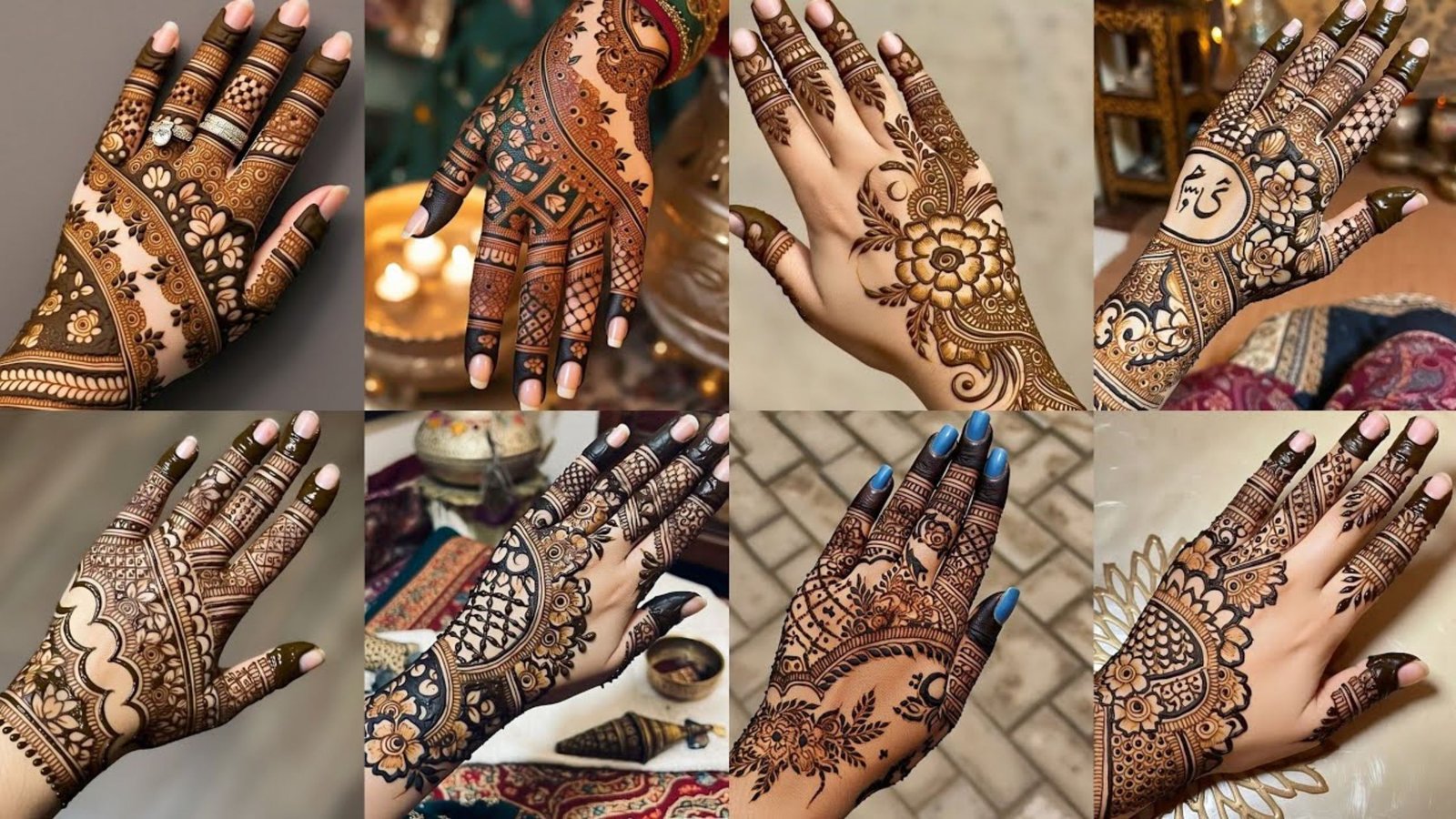
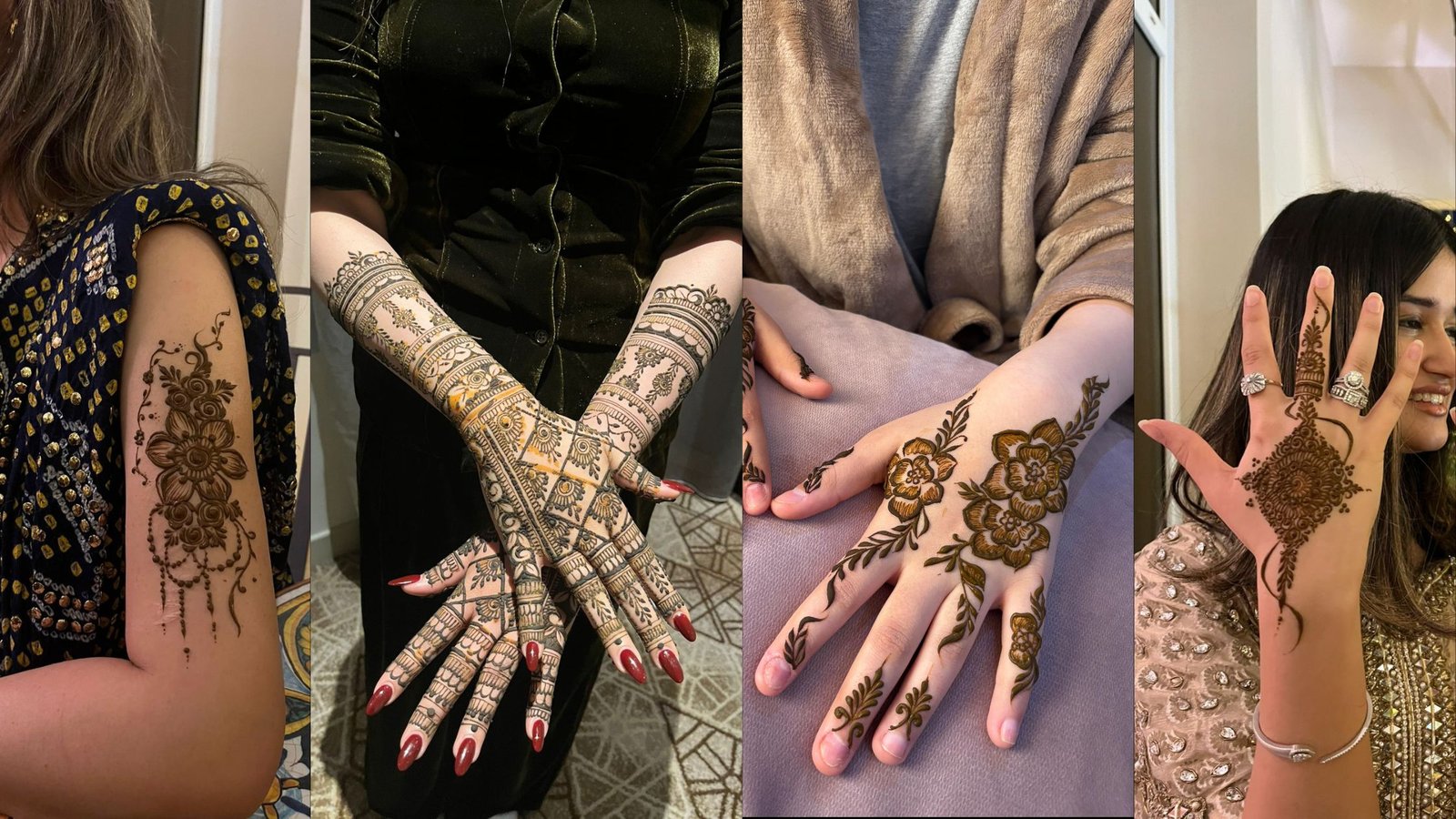
Eid ul Adha is one of the most cherished festivals in Dubai, celebrated with warmth, joy, and beautiful traditions that bring families and communities together. One of the most captivating traditions during this time is the art of henna, adorning hands and feet with stunning designs that tell stories of culture, beauty, and celebration. In recent years, a fascinating fusion of traditional and modern henna styles has emerged, giving a fresh, vibrant twist to this age-old art. This blog explores the top traditional and modern henna styles for Eid ul Adha, crafted by the finest henna artists in Dubai, helping you choose the perfect design that resonates with your personality and the spirit of the occasion.
If you’re looking for a seamless and personalized experience, consider henna home service in Dubai, where expert artists bring their creativity and skill right to your doorstep, making your Eid celebrations even more special.
The Rich Tradition of Henna: A Cultural Tapestry
Henna, also known as Mehndi, has been an integral part of Middle Eastern, South Asian, and North African cultures for centuries. Its application symbolizes joy, beauty, and auspiciousness, making it especially significant during weddings, festivals, and religious celebrations like Eid al-Adha. The artistry is not just about decoration but carries deep cultural meanings and stories passed down through generations.
In Dubai, a melting pot of cultures and traditions, henna art thrives with a blend of influences, from the classic styles of Arabic and Indian origins to contemporary trends inspired by global fashion and design movements.
Classic Traditional Henna Styles
Arabic Henna Style
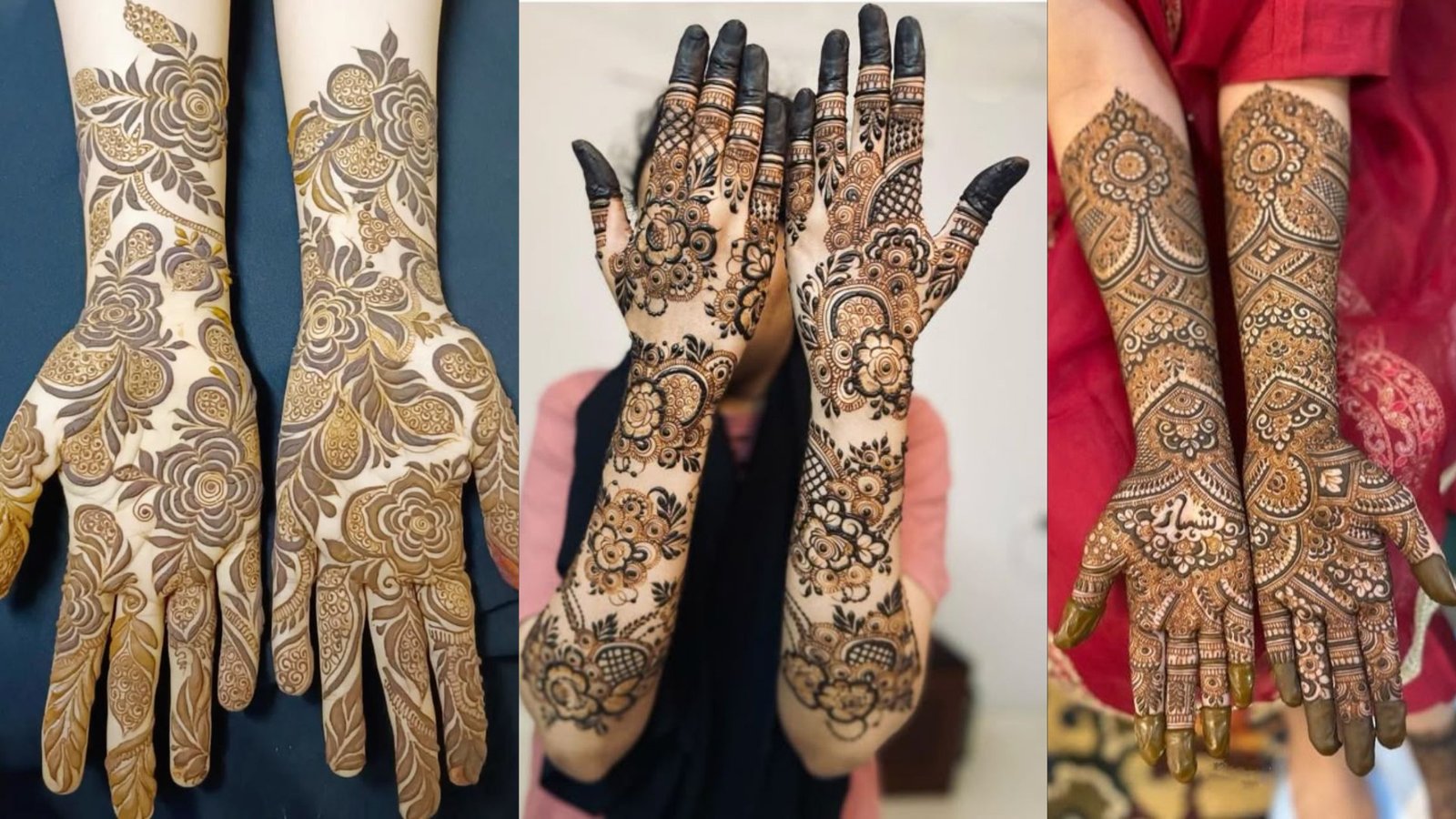
Arabic henna designs are known for their flowing, freehand patterns that emphasize large, bold floral motifs and vines. These designs typically feature open spaces, making them lighter and more spacious than other traditional styles. The patterns often adorn the back of the hands and feet and are favored for their elegance and simplicity.
Key characteristics:
- Bold, curvy lines with floral and leaf motifs
- Ample use of negative space, giving a clean and airy look
- Swirls and paisley shapes that flow naturally
Arabic henna is a favorite choice for many Dubai women during Eid ul Adha, as it balances tradition with a modern flair of elegance.
Indian Henna Style
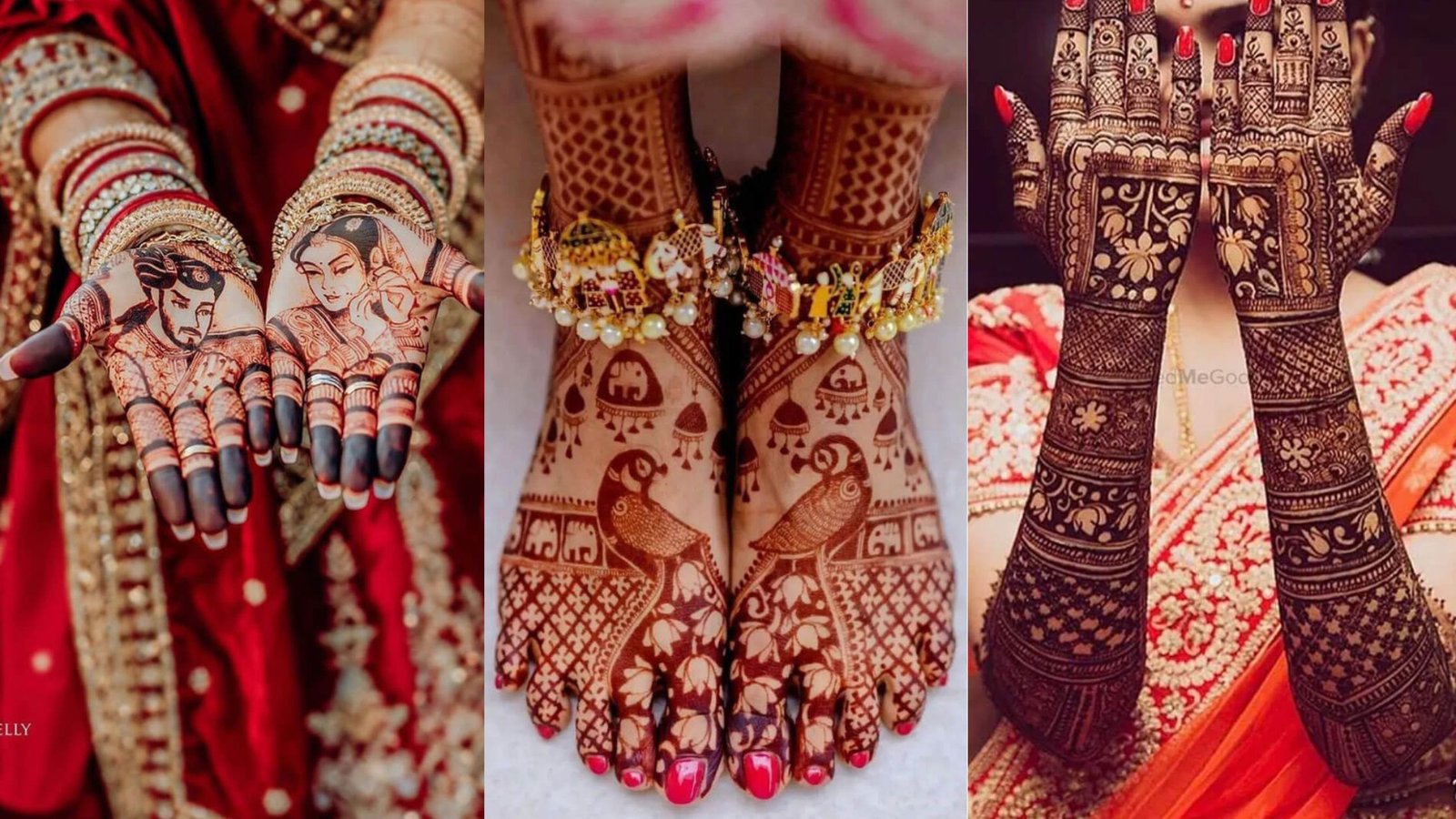
Indian henna, also called South Asian Mehndi, is renowned for its intricate, detailed designs that cover almost every inch of the skin. Unlike Arabic styles, Indian designs are denser with fine lines, geometric shapes, and symbolic elements like peacocks, mandalas, and paisleys.
Key characteristics:
- Dense, intricate detailing with fine lines and shading
- Use of traditional motifs such as paisleys, elephants, and lotus flowers
- Elaborate patterns often covering the entire palm and fingers
This style is widely popular among the large South Asian community in Dubai, especially during festivals and weddings, appreciated for its rich symbolism and artistic complexity.
Moroccan Henna Style
Moroccan henna designs reflect the region’s Berber heritage, characterized by geometric shapes, bold lines, and tribal-inspired patterns. These designs are often symmetrical and striking, creating a powerful visual impact.
Key characteristics:
- Strong geometric shapes like diamonds, triangles, and squares
- Bold, solid lines and dots
- Symmetrical and repetitive patterns
For those who prefer a tribal and edgy look during Eid ul Adha, Moroccan henna style offers a distinct alternative to the floral themes seen in Arabic and Indian designs.
Gulf Style Henna
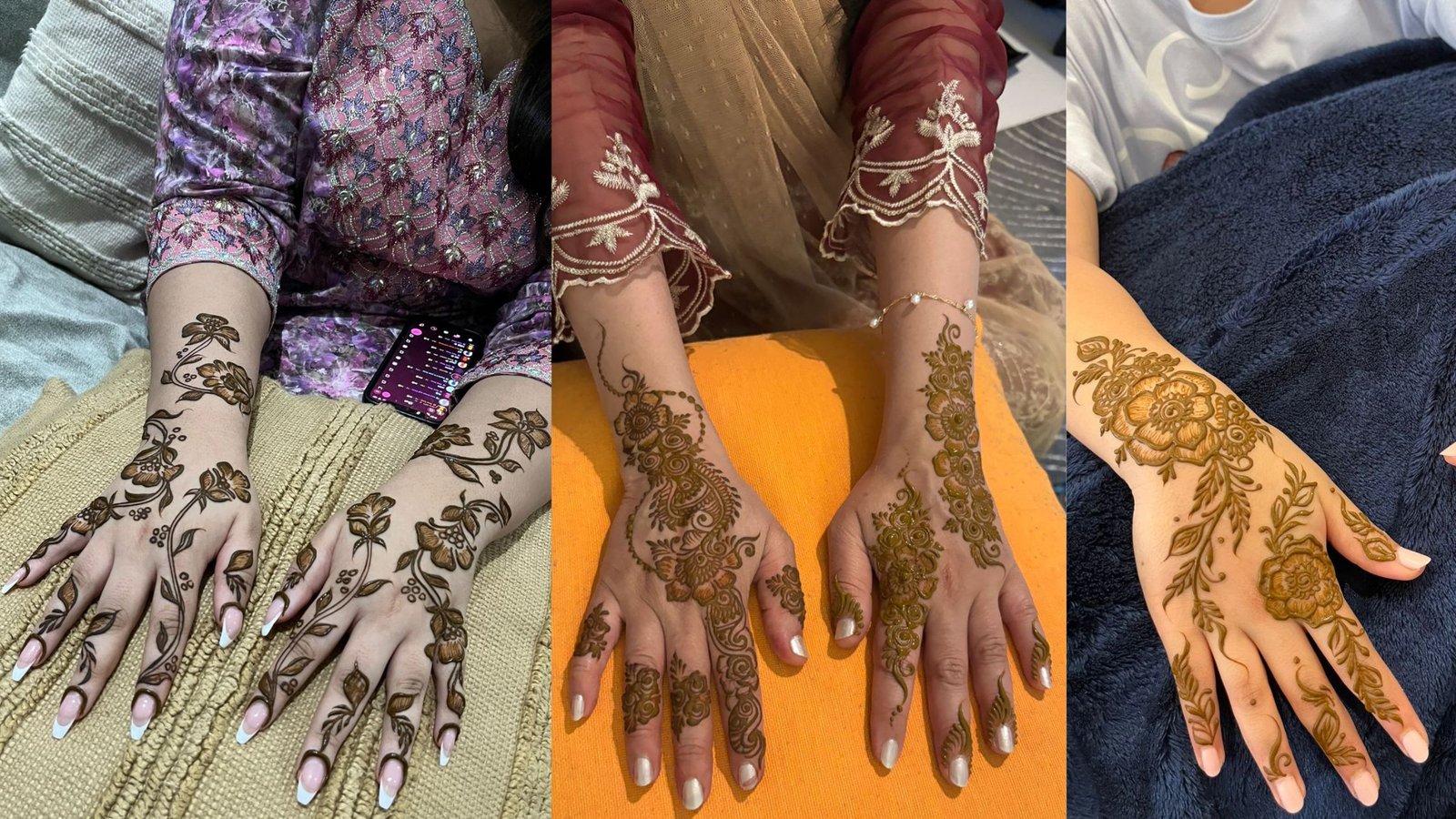
Gulf or Khaleeji henna style is specific to the Arabian Gulf region, blending subtle floral patterns with bold shapes. This style often features large motifs around the wrists and backs of hands and incorporates intricate detailing on the fingers.
Key characteristics:
- Bold floral and leaf motifs combined with delicate detailing
- Heavy use on the backs of hands and wrists
- A balance of open space and detailed sections
Dubai’s own Gulf henna artists keep this tradition alive, honoring regional heritage while adding their unique creative touch for Eid celebrations.
Popular Modern Henna Trends in Dubai
As the city continues to evolve as a global fashion and art hub, modern henna styles have emerged, blending contemporary aesthetics with traditional roots.
Geometric Patterns
Modern henna artists in Dubai are increasingly incorporating geometric shapes and abstract lines to create minimalist yet eye-catching designs. These patterns often feature sharp lines, symmetry, and repetition, perfect for those seeking a sleek and stylish look.
Floral Fusion Designs
While floral motifs remain timeless, modern henna styles experiment with combining different floral patterns from various cultures, mixing Arabic large blooms with Indian tiny flowers or Moroccan geometric touches. This fusion creates unique, personalized art that tells a story of cultural harmony.
Minimalist Designs
The minimalist movement has inspired henna artists to strip designs down to their simplest forms. Think thin lines, small motifs, and selective placement like a single flower on the wrist or a delicate vine climbing a finger. This style is perfect for women who prefer subtle elegance without overwhelming details.
White Henna and Colored Henna
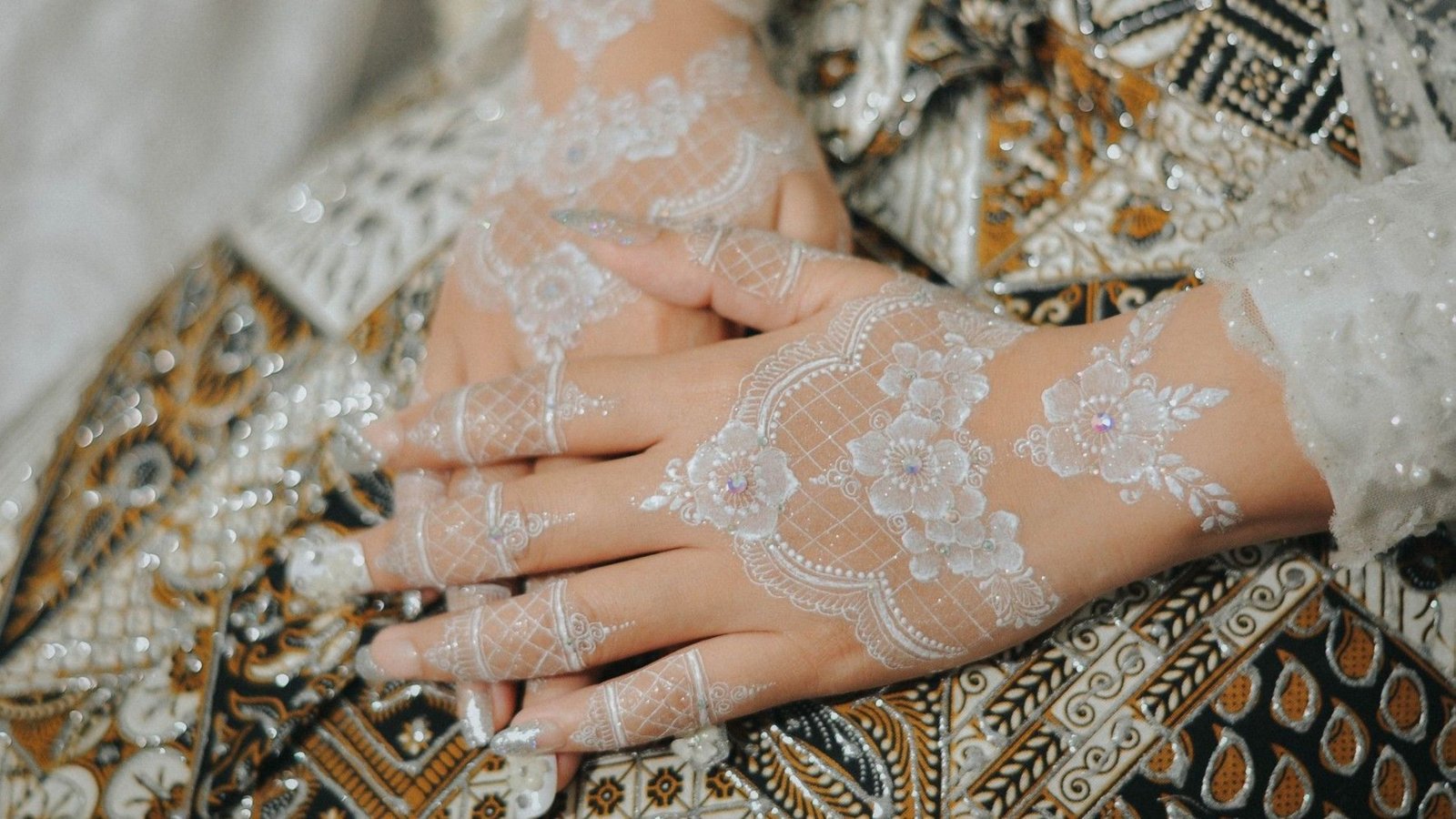
One of the most exciting trends embraced by Dubai’s henna artists is the use of white henna and colored henna. Although white henna is not traditional henna (it’s a body paint or adhesive), it provides a striking contrast against the skin and adds a modern, bridal vibe to designs. Colored henna, using natural or cosmetic dyes, adds playful pops of color, making designs stand out even more during Eid al-Adha celebrations.
How Dubai’s Henna Artists Creatively Blend Styles for Eid al-Adha?
Dubai’s henna artists are masters of innovation. Their ability to blend traditional and modern elements is what sets them apart and makes their work highly sought after during Eid ul Adha. They often start with a base in classic Arabic or Indian styles and weave in contemporary geometric patterns or minimalist touches. The use of white henna alongside deep brown traditional henna creates a visually rich, layered effect.
Hiring a professional henna artist in Dubai ensures that artists customize designs based on their client’s preferences, skin tone, and the overall Eid outfit, ensuring each henna application complements the wearer’s unique style. This personalized approach elevates the henna experience beyond mere decoration to an artful expression of identity and celebration spirit.
Design Inspirations: Examples of Henna Styles for Eid al-Adha
Example 1: The Elegant Arabic Floral Wrap
A sweeping floral vine with large blossoms starting at the wrist and curling elegantly across the back of the hand, leaving fingers delicately adorned with minimal leaf patterns. This design embodies the classic Arabic style with a modern twist of negative space, perfect for sophisticated Eid celebrations.
Example 2: Intricate Indian Bridal Palm
Dense and detailed, this design features mandalas, paisleys, and peacock motifs covering the entire palm and extending to the fingertips. It’s ideal for those wanting to showcase rich tradition and artistry during Eid ul Adha.
Example 3: Moroccan Bold Geometry
Sharp triangles and diamonds form a striking symmetrical pattern centered on the back of the hand and wrist, balanced with dotted accents on the fingers. This style is perfect for a bold and contemporary Eid look.
Example 4: Minimalist Floral Accent with White Henna
A small cluster of delicate flowers placed on the side of the hand or wrist, done in white henna to contrast with the skin, offering a modern and understated elegance suitable for daytime Eid festivities.
Tips for Choosing the Perfect Henna Style for Eid al-Adha
- Consider Your Personality: Are you traditional, bold, or minimalist? Your henna style should reflect who you are and how you want to express yourself.
- Match Your Outfit: Choose designs and colors that complement your Eid attire, whether it’s a richly embroidered abaya or a simple maxi dress.
- Think About Occasion: For large family gatherings or formal events, more intricate designs may be fitting. For casual celebrations, minimalist or modern designs work well.
- Skin Tone Matters: Darker henna stains show beautifully on all skin tones, but if you want a unique twist, try white or colored henna.
- Comfort and Time: Consider how long you can spend getting your henna done. Intricate styles require more time, so plan accordingly.
- Book Early with Trusted Artists: Eid is a busy season for henna artists in Dubai. To secure the best talent and ensure quality, book your appointment in advance, especially if you prefer henna home service in Dubai for convenience.
Conclusion
Whether you lean towards the timeless beauty of traditional henna styles like Arabic, Indian, Moroccan, and Gulf or prefer the bold creativity of modern geometric and minimalist designs, Dubai’s henna artists offer a spectacular range of options to celebrate Eid al-Adha with elegance and flair. Their innovative blending of styles, personalized approach, and mastery of both classic and contemporary techniques ensure your henna will be as unique as the festival itself.
For a hassle-free, luxurious henna experience this Eid, consider booking a henna artist in Dubai, where skilled artists come to you, creating beautiful memories in the comfort of your home.
Celebrate Eid ul Adha with the perfect henna art, and trust the experts to make your celebration truly special. To explore authentic and creative henna styles crafted by the best henna artists in Dubai, look no further than Shifaz Henna. We are committed to connecting you with expert artists who bring tradition and modernity to your fingertips.