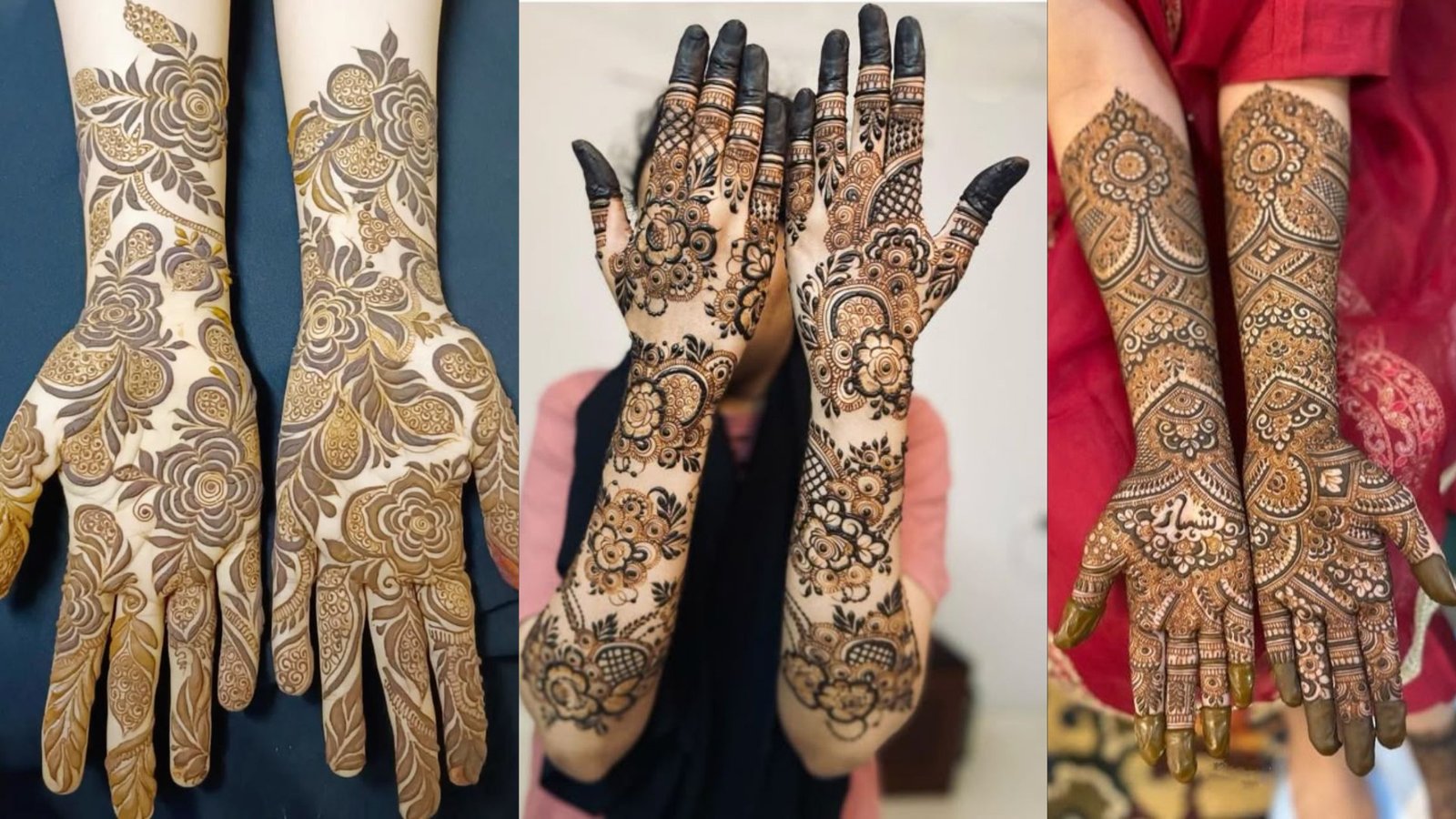
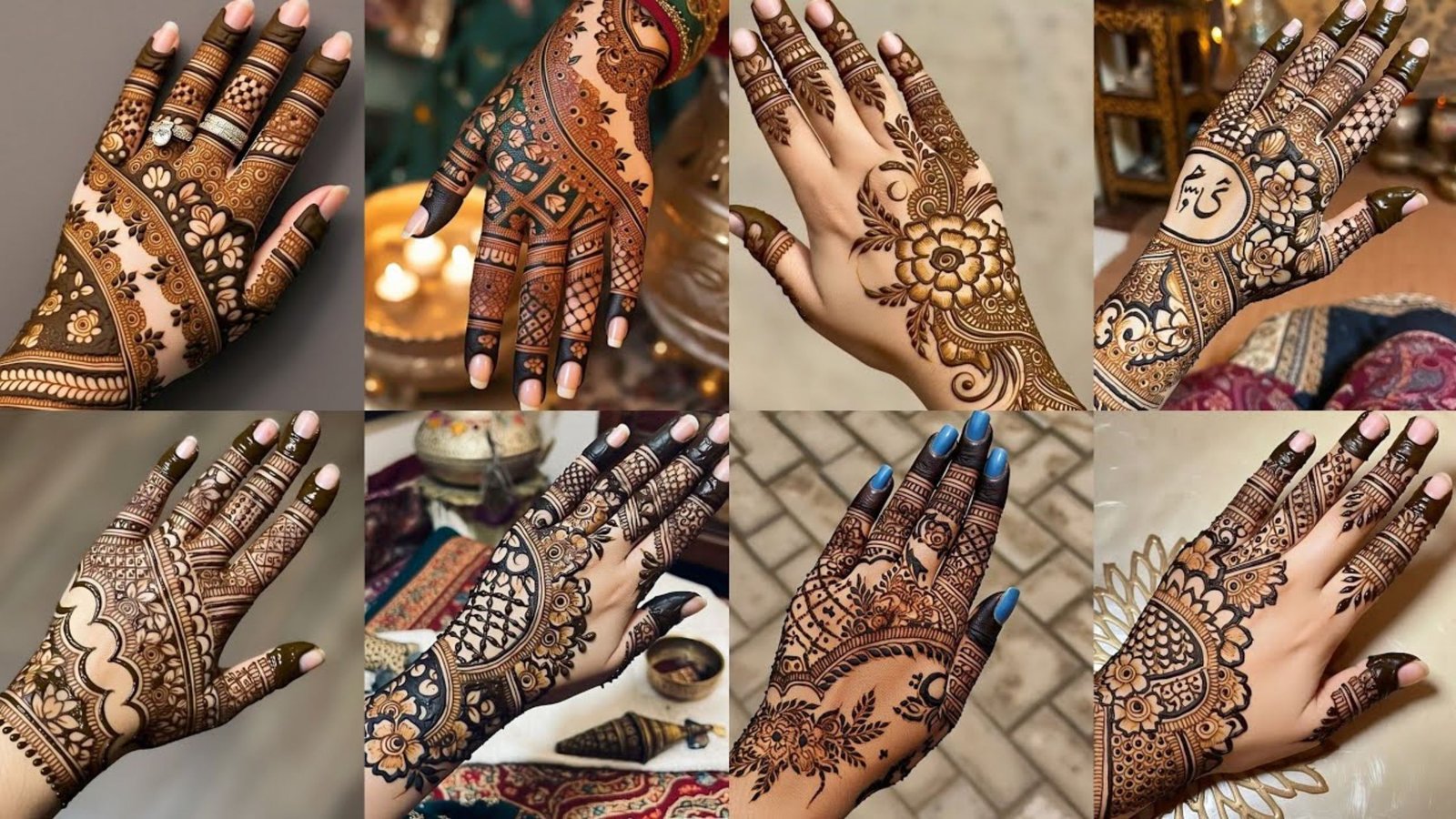
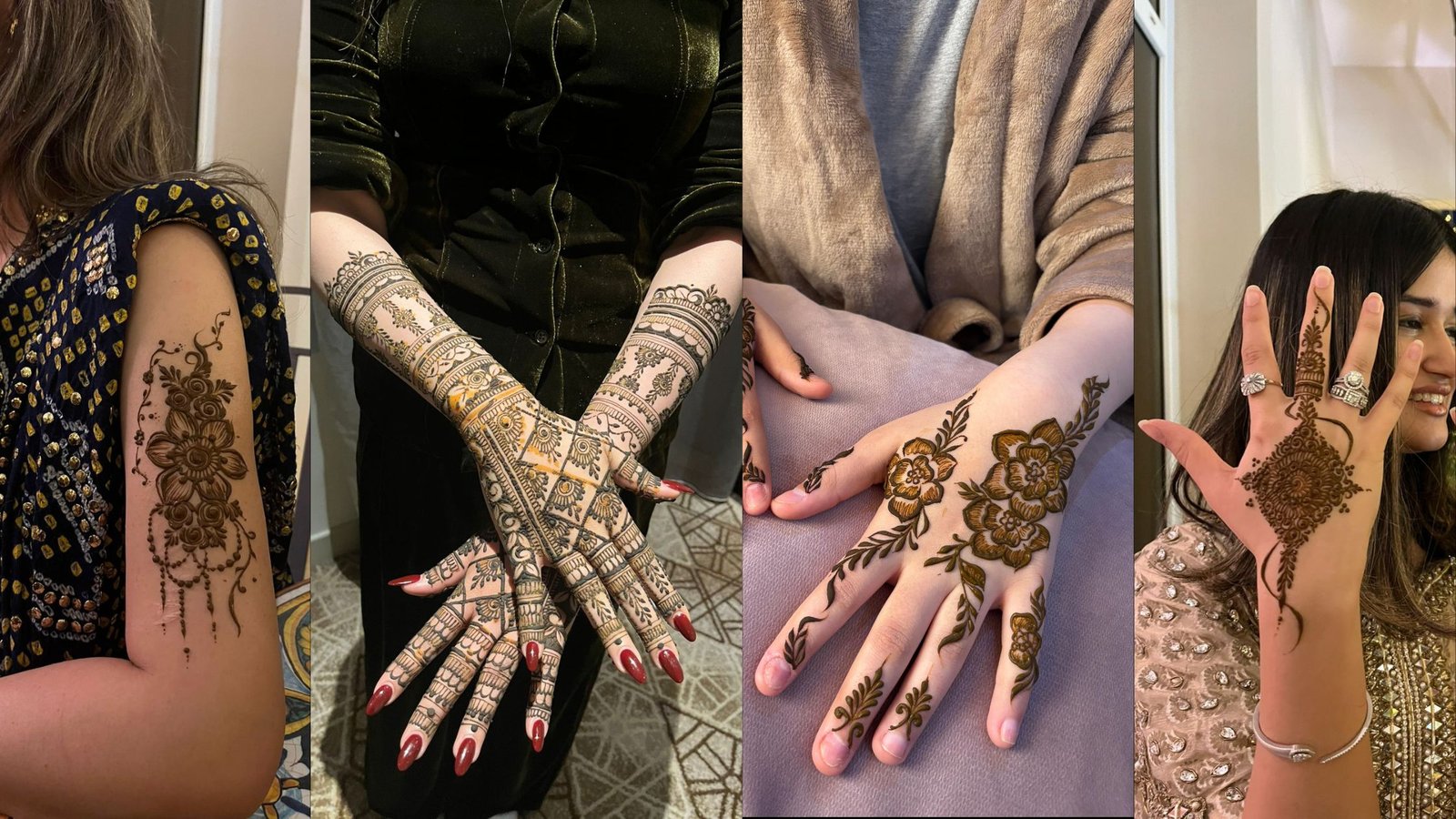
Henna body art, from intricate bridal mehndi to party designs, adds cultural flair to special occasions in Dubai. Proper aftercare ensures each motif develops rich pigments and endures daily activities. By embracing simple steps, drying time, protective wraps, and natural moisturizers, clients can extend the life of their henna stain and showcase its full vibrancy.
Immediate Aftercare Steps
Once the henna artist completes the application, the design must dry undisturbed to develop its dye. One should allow the paste to dry fully for at least 1–2 hours, refraining from any contact that might smudge the pattern.
After drying, the paste should remain on the skin longer to deepen the color. Leaving the henna on for 4–6 hours or ideally overnight yields the darkest stain development.
When it’s time to remove the paste, gentle scraping is key. Rather than washing off with water, clients may apply a thin layer of olive or coconut oil to loosen the crust and then rub it away with a soft tissue.
Sealing and Color Development
Applying a lemon-sugar blend to the dried henna paste creates a sealant that locks in moisture and boosts color release. This sticky mixture keeps the paste pliable and helps the dye penetrate more deeply into the skin.
After sealing, a light wrap of cotton cloth or plastic wrap can protect the design from accidental friction and humidity. Wrapping for a few hours intensifies both the hue and longevity of the stain.
Heat sources, like a warm air blower or sitting in a mildly heated room can also enhance pigment uptake. Yet one should avoid direct, harsh heat that may irritate sensitive skin.
Hydration and Protection
Once the crust naturally flakes off, the initial orangeish print darkens over the next 48 hours. During this period, regular application of natural oils, such as coconut, olive, or almond oil, creates a barrier against water and preserves moisture balance in the skin.
Petroleum jelly serves as an alternative protective layer before exposure to water. Coating the design prior to showering or hand-washing reduces premature washing away of pigment.
Clients should avoid chemical-laden moisturizers or foaming soaps. Instead, mild cleansers and oil-based balms maintain vibrancy without stripping the stain, ensuring your design stays fresh, especially after enjoying a Henna home service in Dubai.
Avoiding Water, Friction, and Exfoliation
Water exposure during the initial 12–24 hours can wash away undeveloped pigments, leading to patchy designs. Clients are advised to delay the first wash of the area for at least 12 hours post-application.
For household chores or water-based tasks, wearing gloves shields the henna from contact with soap and water. Similarly, refraining from scrubbing or exfoliating the stained skin prevents early fading and uneven color loss.
Special Considerations for Different Henna Types
Bridal and Party Henna
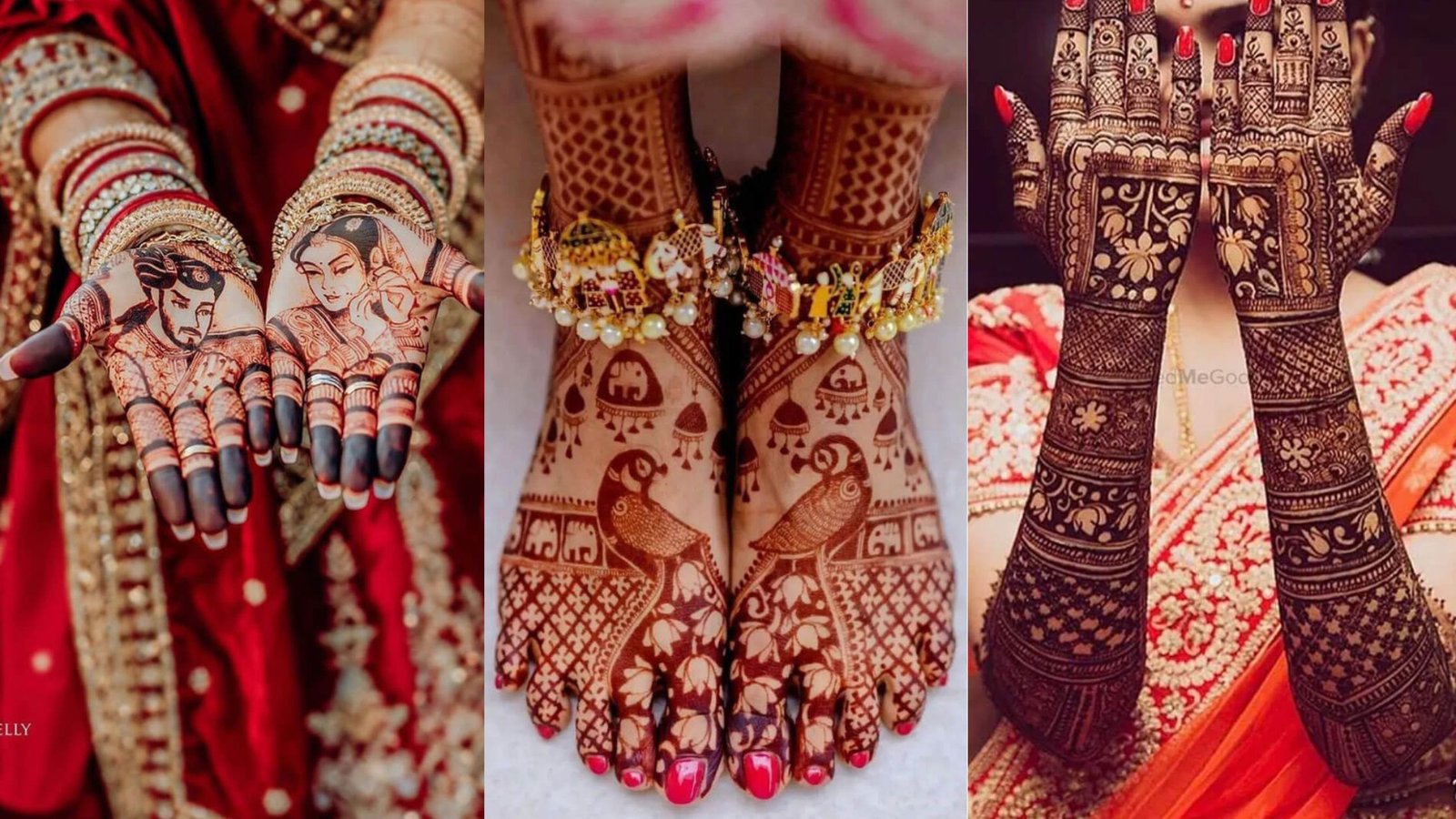
Bridal mehndi often covers large areas and requires maximum stain depth. For bridal designs, extending paste time to overnight and wrapping fingertips with cotton ensures a deep, lasting contrast between skin and art.
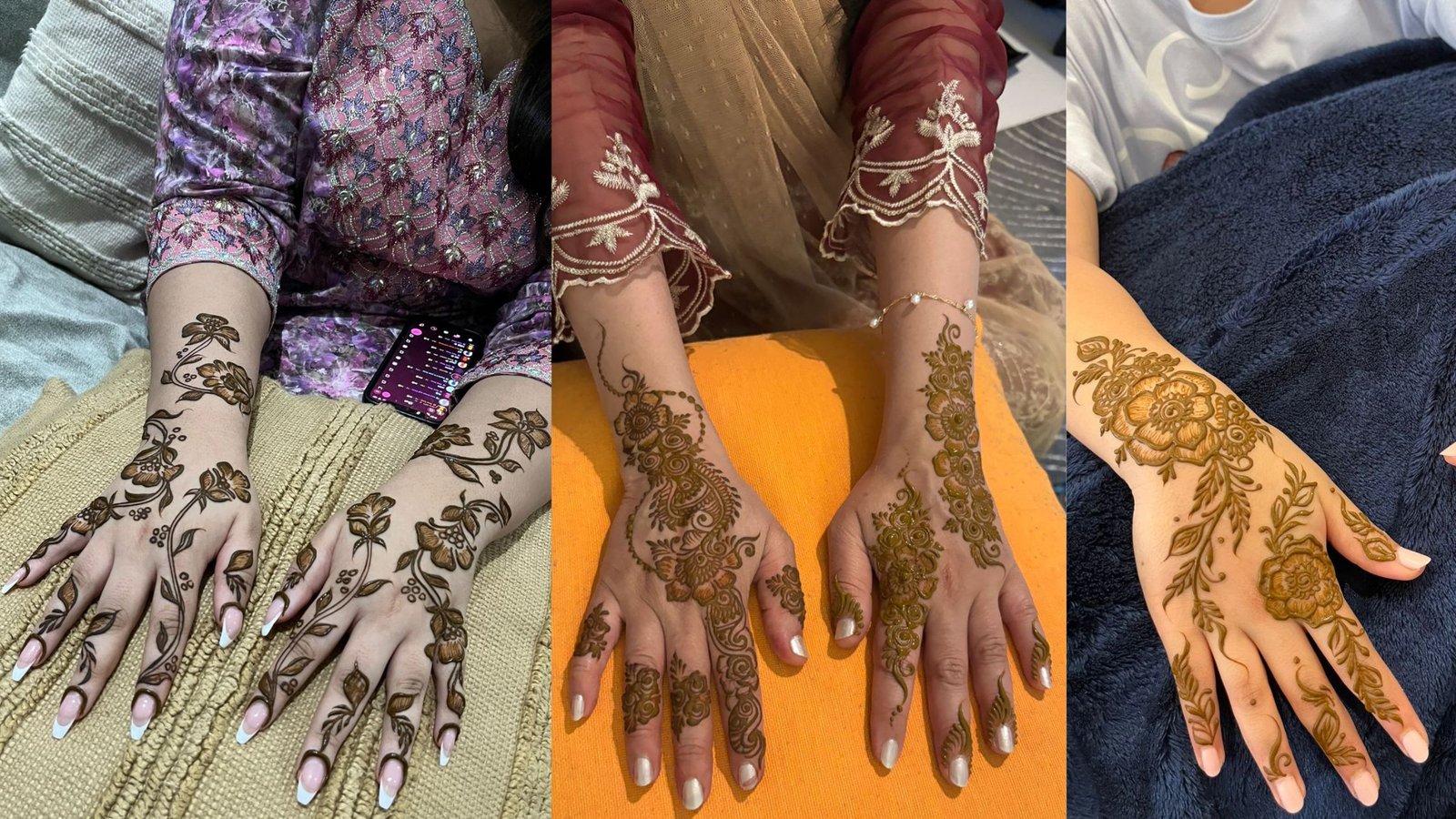
Party henna, though typically lighter, benefits from the same aftercare rituals, natural oils, protective coverings, and minimal water contact to stretch its lifespan beyond a single day.
White and Jagua Henna
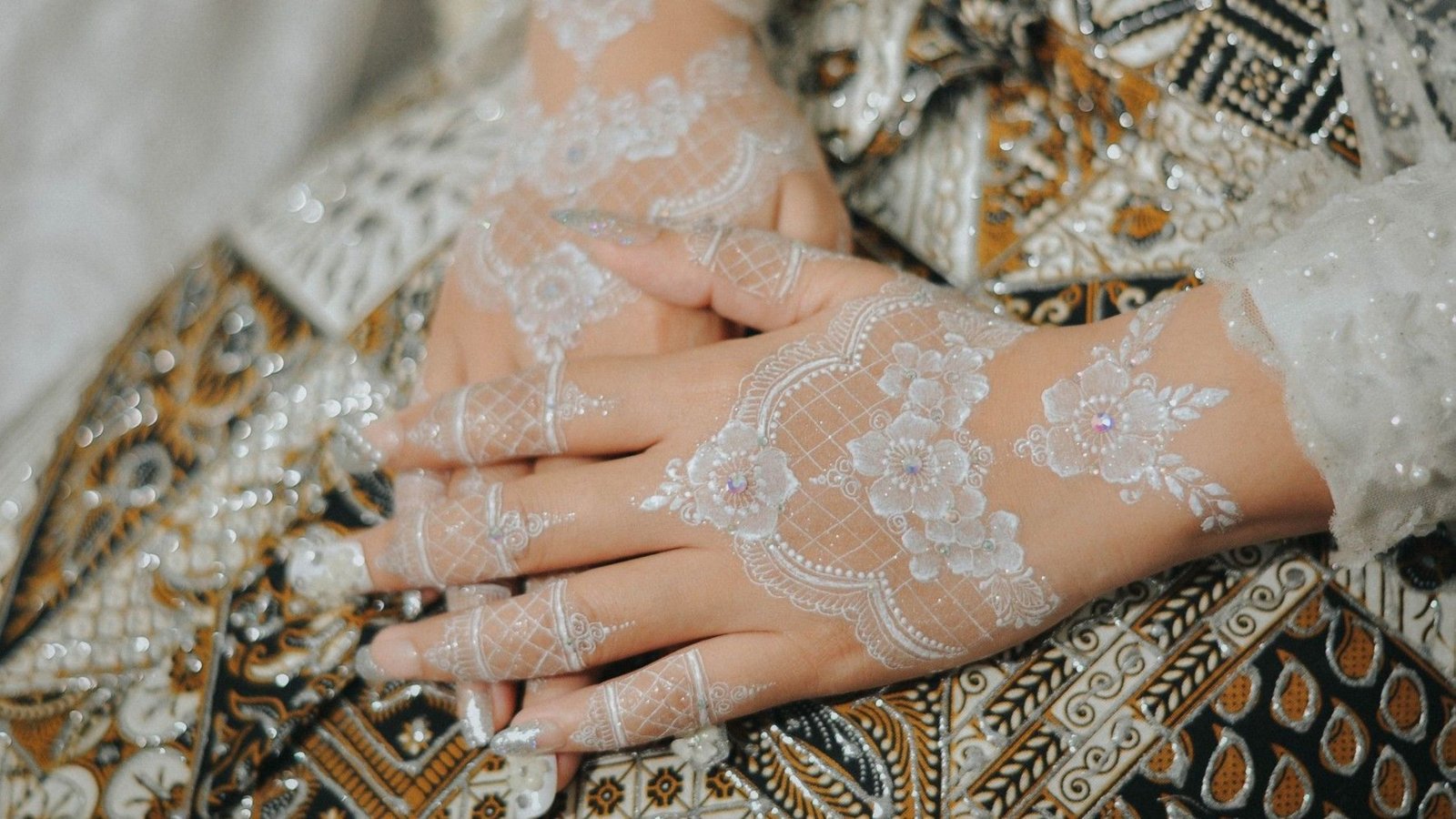
White henna tattoos rely on pigment-based pastes rather than dye. These designs last 4–5 days but can yellow if exposed to hot water or harsh exfoliants. Keeping the area dry, clean, and dusted with baby powder prolongs their crisp appearance.
Jagua gel, derived from the Genipa americana fruit, mimics black henna. After the paste sets, refraining from water and applying natural oils helps sustain its deep, inky shade. You can explore The Ultimate Henna Experience in Dubai
Refreshing and Extending Faded Designs
As henna fades naturally through skin exfoliation, light touch-ups can revive key motifs. Using leftover paste or a small batch of fresh henna, an artist can fill in faded lines or darken borders, seamlessly blending with the existing stain.
For at-home refreshers, clients may mix a pinch of henna powder with lemon juice and a drop of essential oil to a yogurt-like consistency. Applying only to faded sections and sealing with sugar-lemon keeps the pattern cohesive. Explore our guide of Custom Henna Designs
Natural Home Remedies for Henna Aftercare
- Coconut oil and beeswax balm: A homemade balm softens and protects the design day and night.
- Coffee grounds scrub (post-stain): Gentle exfoliation with coffee reduces dead skin without disturbing the henna if done after the first 72 hours.
- Henna paste extension: Leftover paste can be warmed slightly and applied under a wrap to deepen the stain one week later.
Conclusion
Maintaining a henna design in Dubai’s dynamic environment calls for timely drying, protective sealing, and regular hydration with natural oils. By incorporating wraps, gloves, and mindful avoidance of harsh cleansers, each pattern can retain its vibrancy for up to three weeks. For professional execution and comprehensive aftercare guidance, Shifaz Henna provides expert services tailored to every occasion.
Frequently Asked Questions
1. What is the ideal duration to leave henna paste on before removal?
The paste should remain for at least 4–6 hours or overnight for a deep, rich stain.
2. Can water touch the design within the first day?
Water exposure should be avoided for the first 12–24 hours to prevent pigment loss.
3. How often should natural oils be applied post-paste removal?
Clients may gently massage coconut or olive oil over the design twice daily for optimal protection.
4. Will exfoliation harm the henna design?
Exfoliation and scrubs can abrade the dye, causing uneven fading; avoid such products near the henna.
5. How can white henna designs be preserved?
Keep white henna dry, avoid hot water, and dust with baby powder to extend its 4–5 day lifespan.