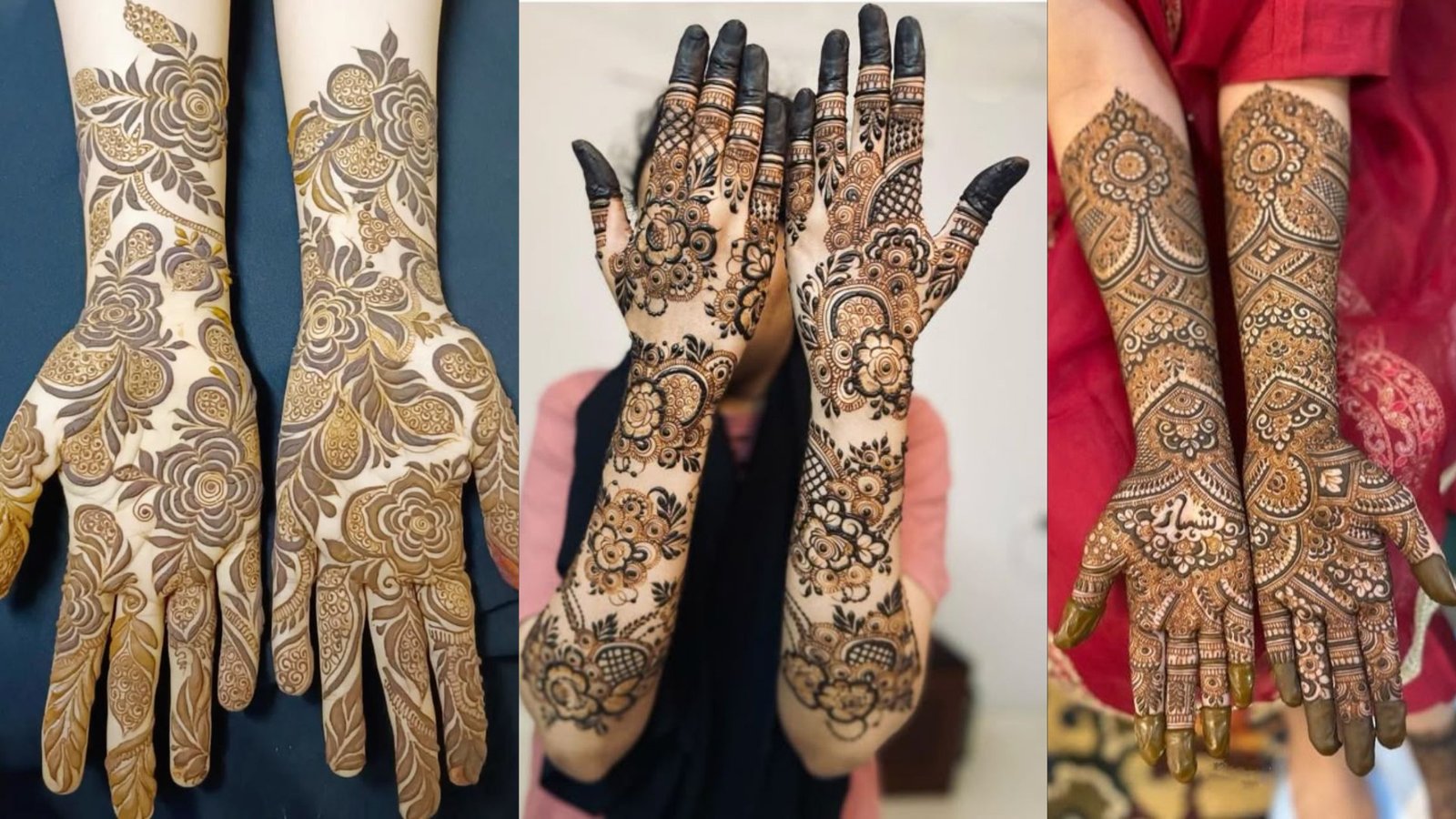
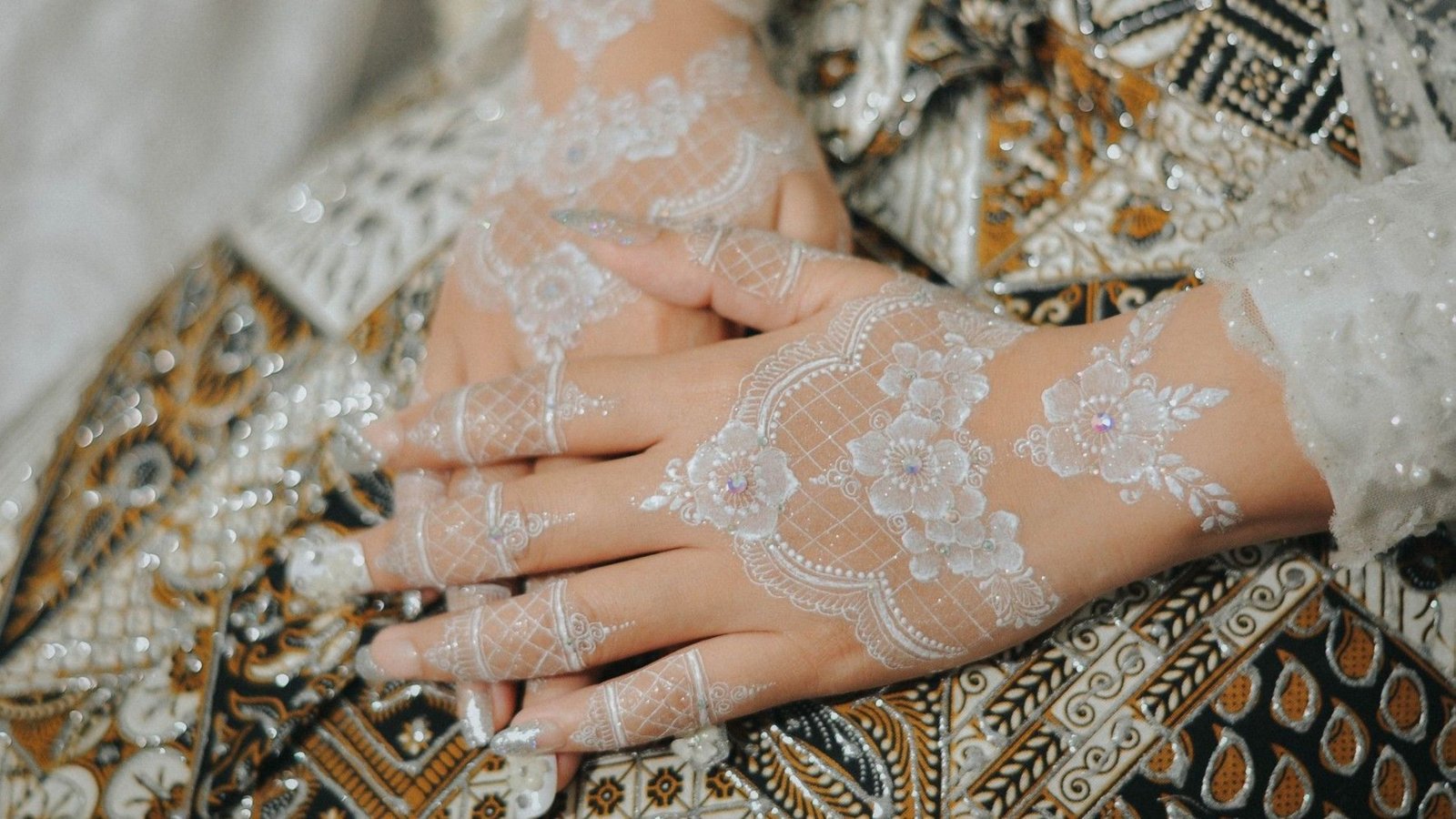
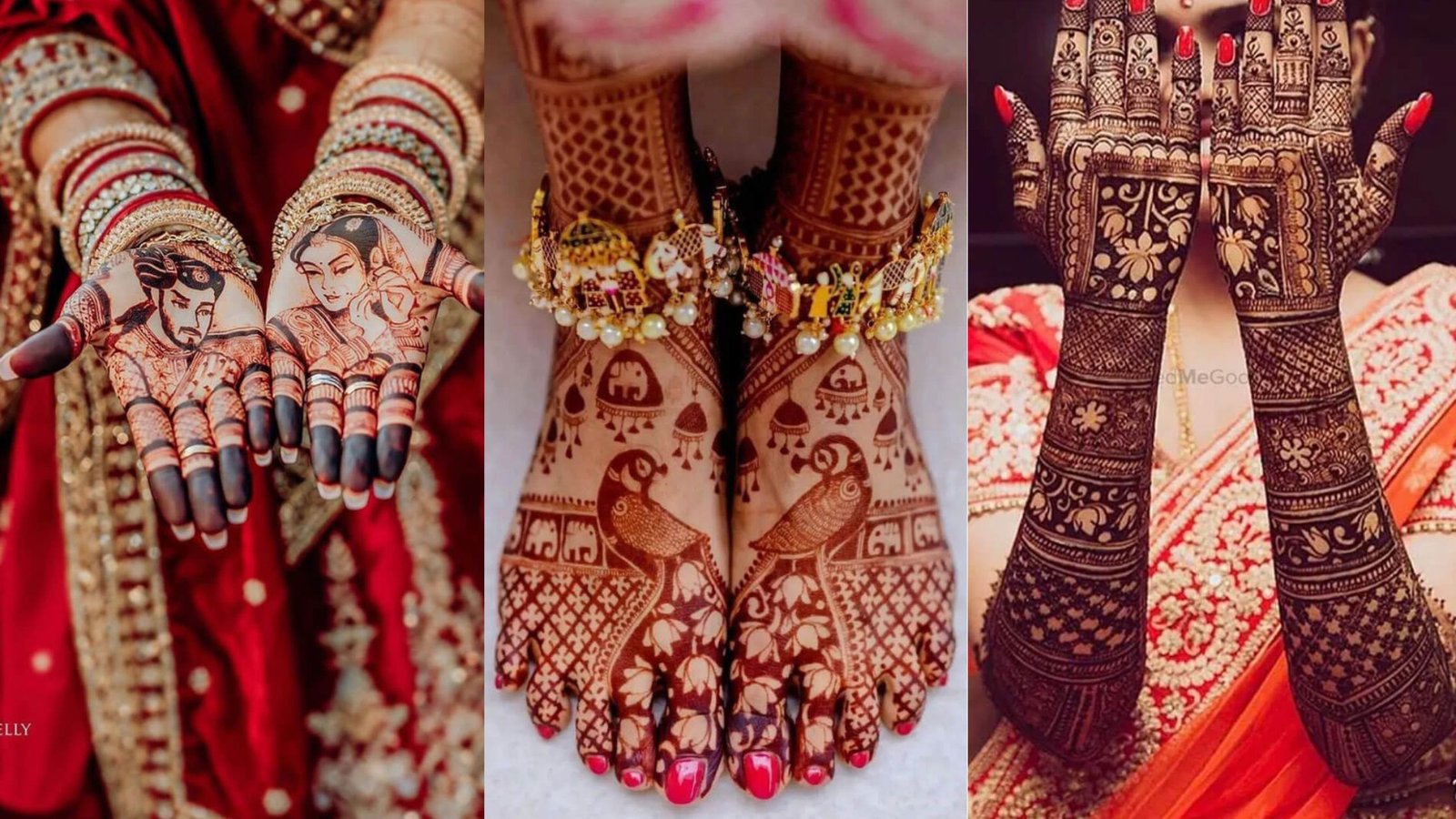
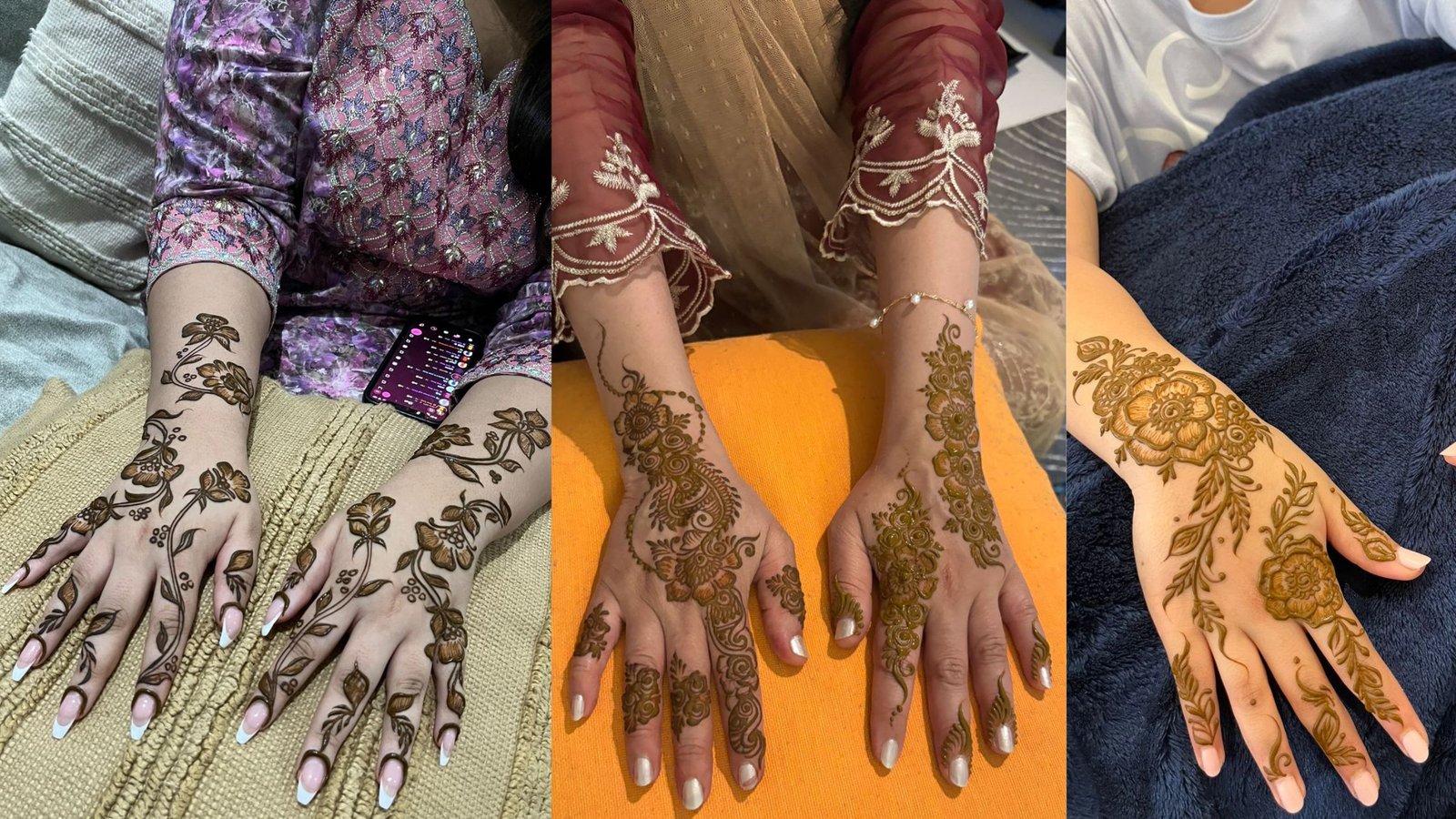
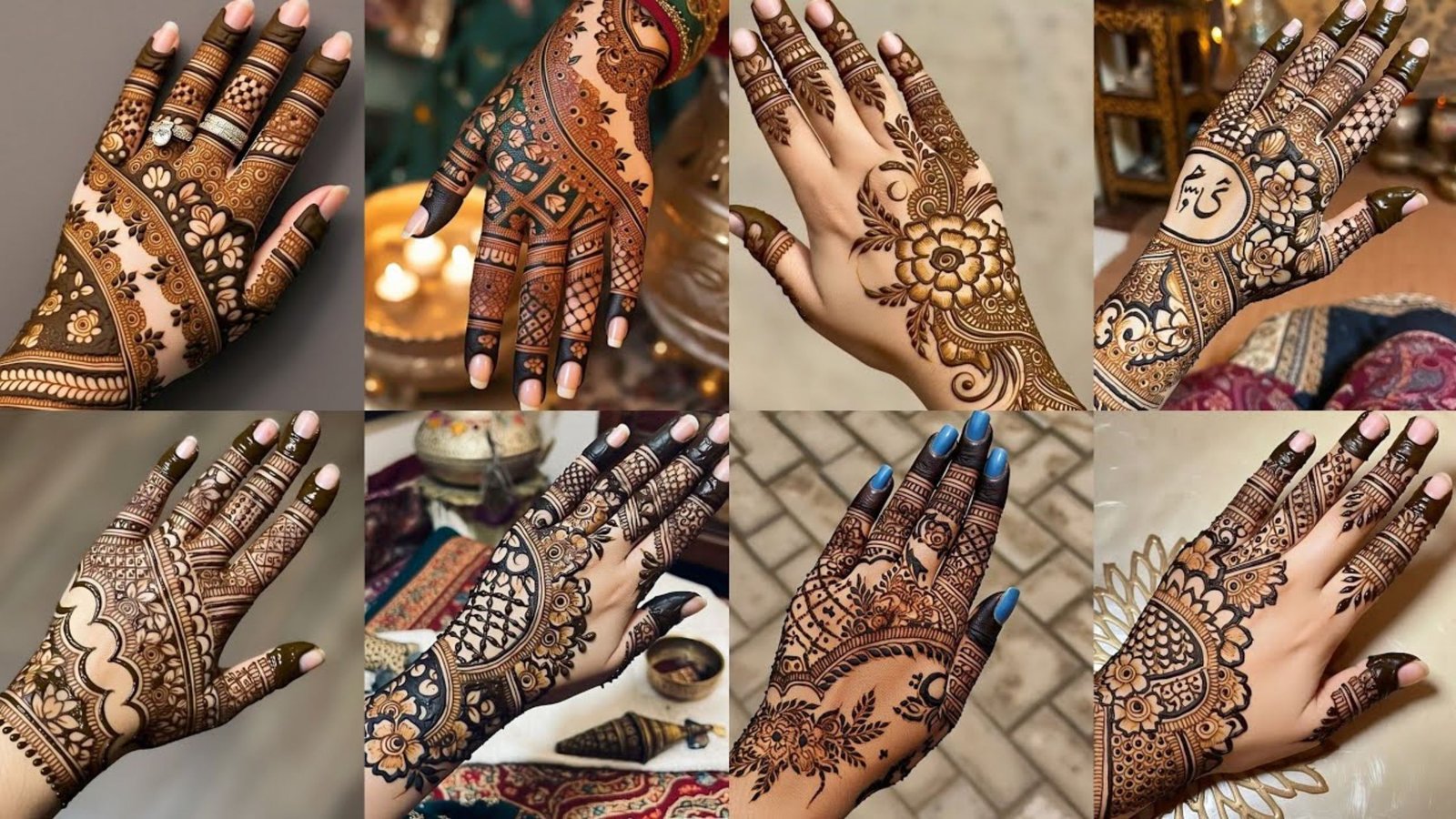
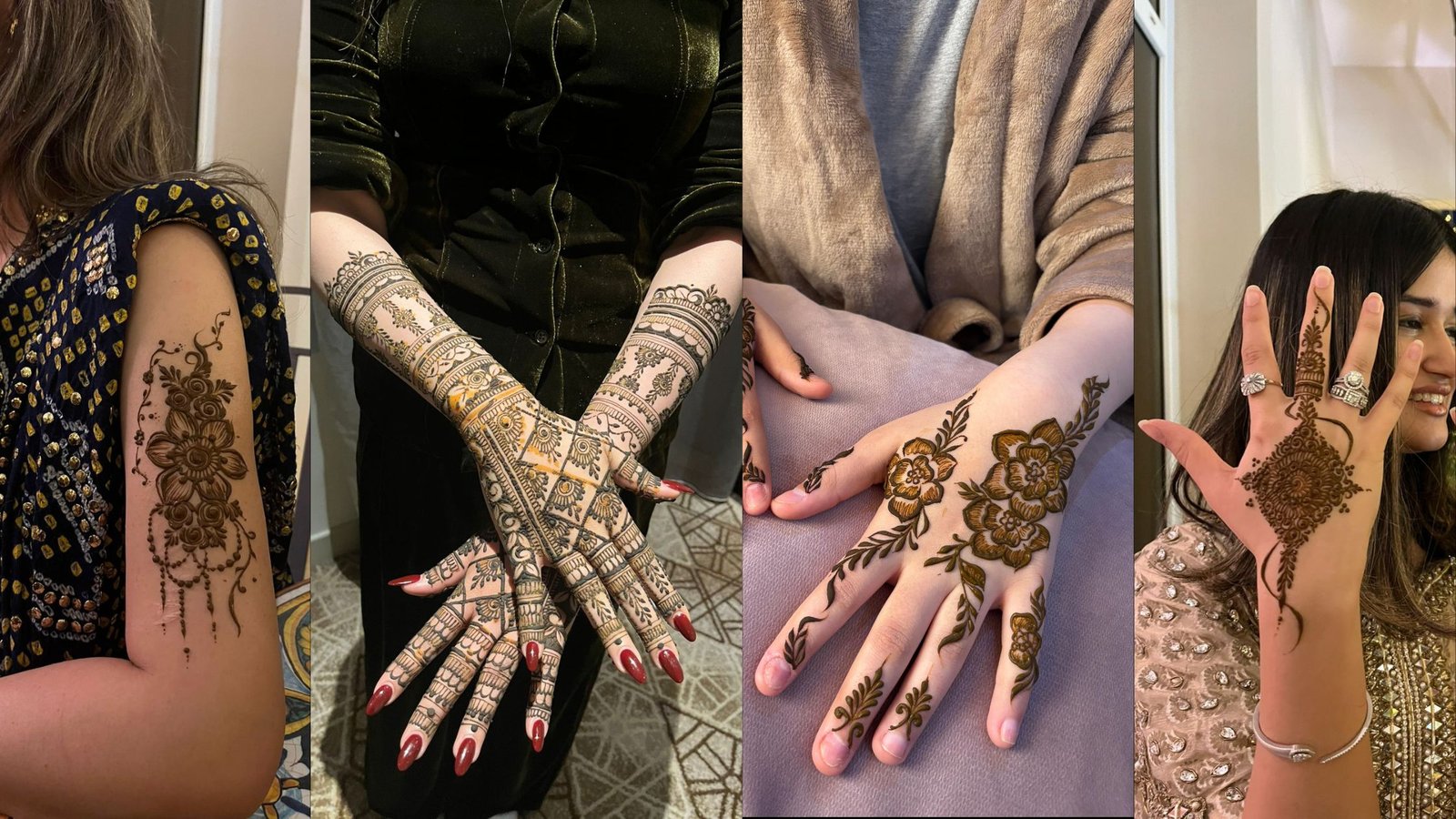
Eid ul Adha is a time of joy, celebration, and tradition and what better way to embrace the festivities than with stunning henna designs that tell your unique story? Whether you’re opting for intricate traditional patterns or the trending white henna Dubai styles, preserving the beauty and vibrancy of your henna throughout the busy days of Eid requires a bit of care and attention. For anyone seeking a skilled henna artist in Dubai, understanding how to maintain your henna design during the celebrations is just as important as choosing the perfect design itself.
From the moment the paste is applied, through the exciting days of feasting, prayer, and family gatherings, your henna deserves thoughtful care to ensure it lasts and looks flawless. This guide will walk you through expert tips on immediate aftercare, protecting your design with natural oils, avoiding smudging, foods and activities to watch out for, refreshing faded designs, and even safely removing henna after the festivities, if you choose.
Immediate Aftercare: The Crucial First Steps for Henna Longevity
Once your henna design is freshly applied by your Dubai henna artist, the first few hours are critical for developing a deep, rich stain. Here’s what to focus on right away:
Avoid Water and Friction for Stain Setting
Water is henna’s worst enemy in the early hours. Avoid washing your hands or exposing the design to water for at least 12-24 hours after application. This prevents the stain from washing away before it has fully developed.
Likewise, steer clear of any friction or rubbing on the henna area. Even light scrubbing or rubbing can disrupt the drying paste and affect the stain. During Eid ul Adha, when you may be busy with prayers and celebrations, be mindful of how you use your hands or feet if henna is applied there.
How to Protect the Wet Paste Overnight?
Many experienced henna artists recommend letting the paste dry naturally, but during busy celebrations, you can seal the design gently by applying a mixture of lemon juice and sugar on the dried henna paste. This helps keep the paste moist, allowing the dye to penetrate deeper into your skin.
After it dries, protect the design with a light wrap or cover, but be careful not to smudge the paste while doing so.
Natural Oils and Balms: The Secret to Protecting and Enhancing Your Henna Design
Once the henna paste flakes off naturally after several hours or the next day, your design may appear orange or light brown at first. The stain will darken over the next 48 hours. To nurture the design and prolong its life, apply natural oils and balms.
Why Natural Oils?
Natural oils like coconut oil, olive oil, or almond oil create a protective barrier on your skin. This barrier locks in the color and prevents premature fading caused by water, soap, or daily activities.
How to Apply Oils and Balms?
Gently massage a small amount of your chosen oil over the henna design at least twice a day. Avoid harsh chemical creams or lotions, as these can cause fading.
Some prefer henna-specific balms or shea butter for added moisturization and protection. The key is to keep your skin hydrated but not greasy.
Tips for Avoiding Smudging During Busy Eid Celebrations
Eid al-Adha festivities in Dubai are bustling from family visits to communal prayers and feasts. To keep your henna flawless:
- Dress carefully: Avoid tight clothing or accessories that can rub against your henna and cause smudging.
- Use gloves if needed: For those applying henna on hands and working with food or cleaning, wearing soft gloves can protect the design.
- Be mindful of washing: When performing ablutions (wudu) or washing hands, pat dry instead of rubbing vigorously.
- Limit exposure to harsh soaps and detergents: Use mild soaps and avoid scrubbing the henna area.
These small adjustments help ensure your henna design remains vibrant throughout your busy day.
Foods and Activities That Might Affect Henna Longevity
Believe it or not, what you eat and how you spend your time can influence the lifespan of your henna stain:
Foods to Watch Out For
- Oils and fatty foods: Excessive exposure to oils, such as those in fried foods, can sometimes cause the henna to fade faster when the oils come into contact with your skin.
- Acidic foods: Citrus fruits and vinegar-based dishes may contribute to faster fading if your hands come into contact frequently.
- Spices and dyes: Certain spices or foods with strong colors can stain your skin but might interfere with your henna stain’s clarity.
Activities to Be Cautious About
- Swimming: Chlorine and saltwater are harsh and will strip henna color quickly.
- Excessive sweating: While normal sweating is fine, very intense sweating can cause the henna to fade faster.
- Frequent washing: The more you wash the henna area, the quicker the stain will diminish.
During Eid, balancing tradition with henna care can be challenging but focusing on mindful activities will pay off.
How to Touch Up or Refresh Faded Henna Designs Naturally?
If your henna begins to fade but you still want to keep the festive look going, here are some natural ways to refresh or touch up your design:
Natural Henna Paste Touch-Up
If you have leftover henna powder or paste, apply a thin layer over the faded areas and leave it on for several hours. Follow the same aftercare steps as before.
Using Natural Dyes
For a quick refresh, some use natural ingredients like coffee or black tea to darken faded henna areas temporarily. Simply soak a cotton ball in cooled coffee or tea and dab over the design.
Exfoliate Gently to Prepare Skin
Before reapplying, gently exfoliate the skin to remove dead cells, allowing fresh henna to adhere better—a crucial step in your Guide to Hiring a Henna Artist in Dubai, as proper aftercare and preparation ensure the best results from your artist’s work.
Remember, frequent reapplication can cause skin irritation, so keep it moderate and monitor your skin’s reaction.
Advice on Safely Removing Henna After the Event If Desired
Although henna naturally fades over 1-3 weeks, there are safe ways to speed up its removal if you want a clean slate after Eid:
- Exfoliate regularly: Use gentle scrubs with sugar or oatmeal to remove dead skin layers and lighten the stain.
- Soak hands in warm water with baking soda: This can help break down the stain molecules.
- Use natural oils: Coconut oil or olive oil combined with salt scrubs can help fade henna faster.
- Avoid harsh chemicals or bleaching agents: These can damage your skin and cause irritation.
By using natural and gentle methods, you can remove henna without harm and prepare for your next beautiful design.
Conclusion
Maintaining a vibrant henna design throughout the lively Eid al-Adha celebrations in Dubai is an art in itself, combining mindful aftercare, protective measures, and a little patience. Whether you’re adorned with traditional Eid ul Adha henna designs Dubai or the modern allure of white henna Dubai, following these expert tips will ensure your design remains stunning from the first prayer to the last feast.
If you’re searching for a professional henna artist in Dubai who understands the nuances of henna application and aftercare, look no further than Shifaz Henna. With our expert touch and commitment to quality, we bring your festive visions to life while guiding you on how to care for your designs during your celebrations and beyond.