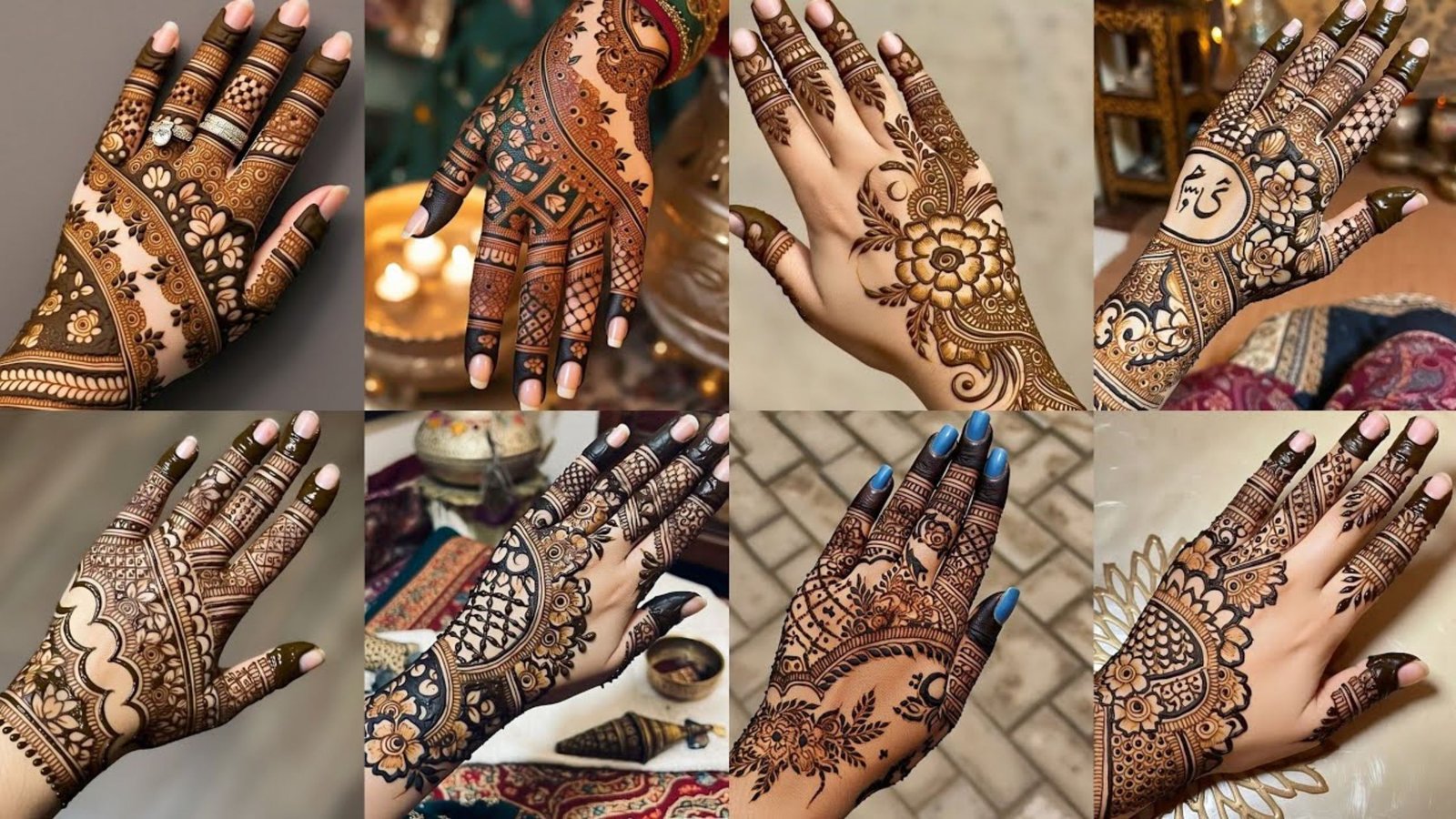
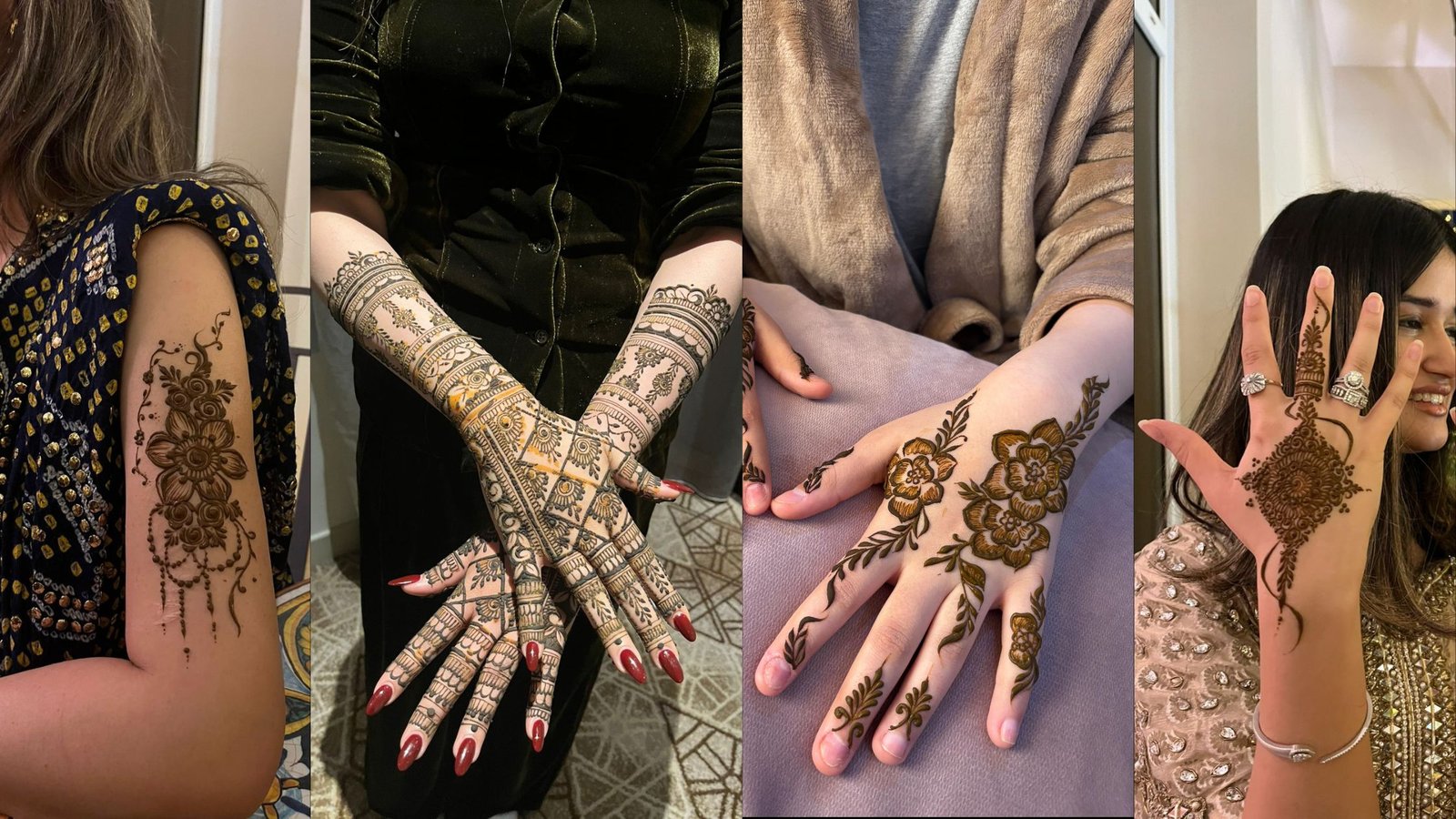
Wedding henna (mehndi) is a cherished bridal tradition, symbolizing love, joy, and good fortune in marriage. Across South Asian and Middle Eastern cultures, intricate henna patterns are applied to the bride’s hands and feet as part of a festive pre-wedding ritual. Brides often select designs featuring paisleys, florals, mandalas, and personal symbols, incorporating the couple’s names or shared hobbies into the art. In fact, custom dictates that the deeper the color and longer it lasts, the stronger the bond between the newlyweds. Shifaz Henna in Dubai offers all types of henna design services across the UAE (Dubai and Sharjah), from traditional full-hand bridal mehndi to modern Arabic-inspired motifs.
Before finalizing your design, it’s helpful to ask the right questions of your henna artist (for guidance, see our blog on questions to ask your henna artist in Dubai). Discuss details like custom motifs, scheduling, and aftercare with your artist, so your bridal mehndi turns out just as you envisioned. With careful planning, your wedding henna will reflect your style and carry symbolic meaning that lasts well beyond your special day.
Popular Henna Design Styles and Symbolism
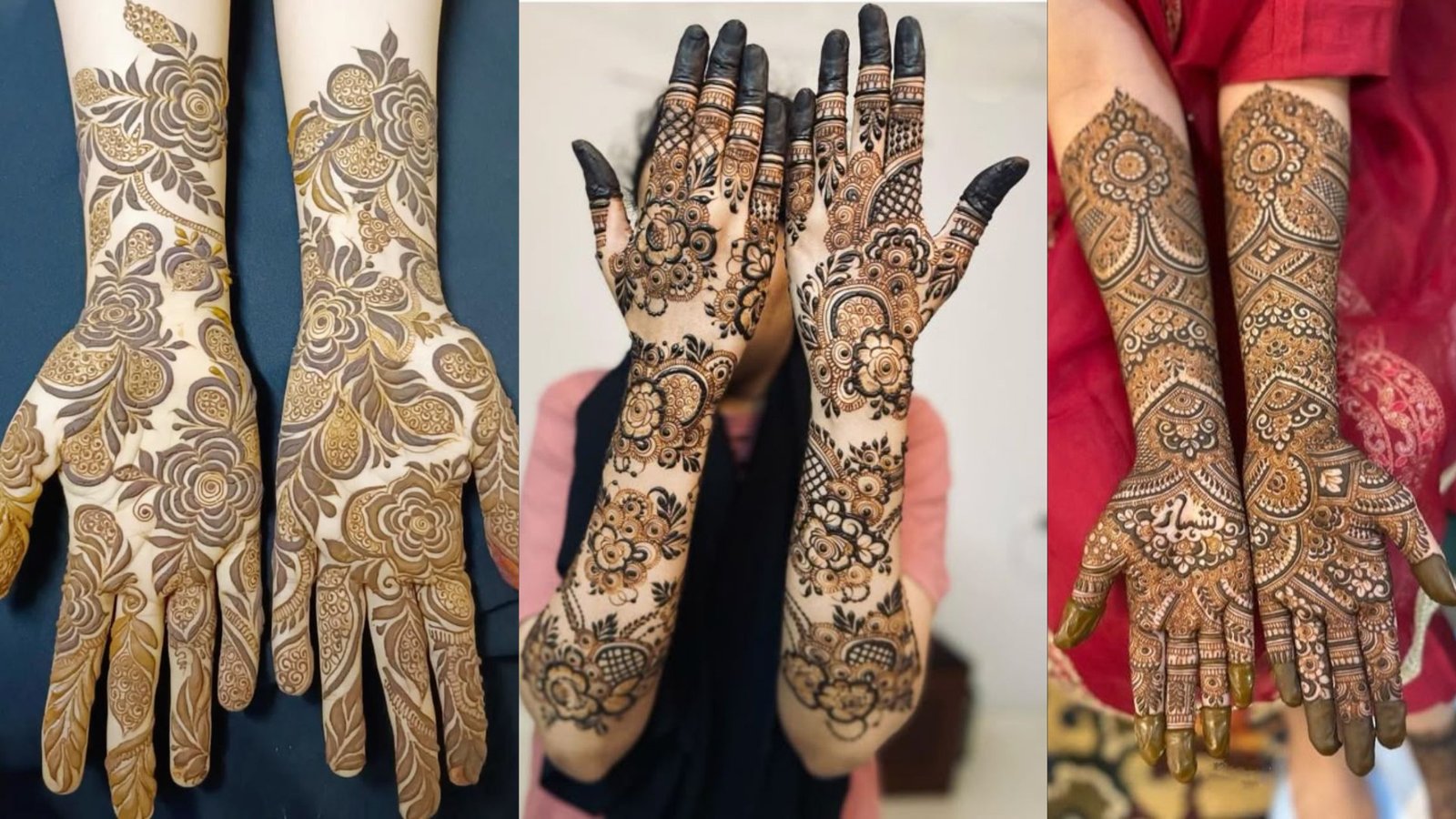
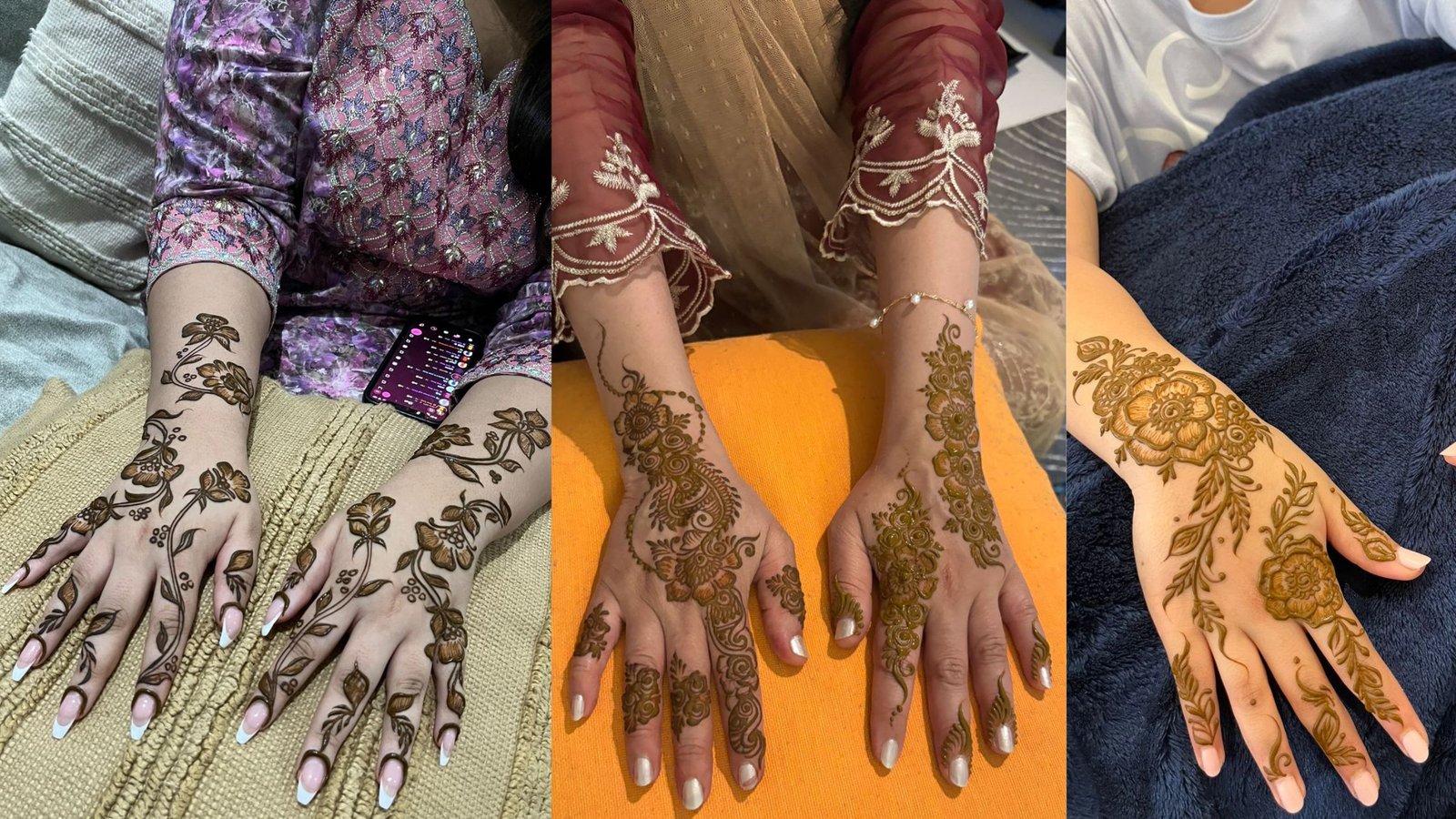
Bridal henna patterns vary by tradition. Indian bridal mehndi tends to be extremely detailed and dense, covering large areas (often from fingertips to elbows) with paisleys, florals, peacocks, and mandalas. By contrast, Arabic wedding henna designs emphasize bold, flowing floral and vine motifs with open space, usually on one side of the hand or foot. Pakistani mehndi blends these styles, it features intricate palm patterns combined with lighter, vine-like designs extending up the arms. Moroccan-inspired henna uses geometric and tribal elements (zigzags, diamonds) to create striking, symmetrical patterns. Many modern brides also opt for fusion or personalized designs that mix traditions, add Western-style icons, or include meaningful symbols like wedding dates or portraits.
| Henna Style | Characteristics | Coverage/Look |
| Indian (Traditional) | Elaborate, densely packed patterns (paisleys, florals, mandalas) | Full coverage (fingertips to elbows; toes to knees) |
| Arabic (Wedding) | Bold, flowing floral vines and geometric shapes with negative space | Usually one-sided (back of hand or foot) for elegant contrast |
| Pakistani (Bridal) | Mix of Indian and Arabic: heavy, intricate palms + light vines | Balanced detail (detailed on palms, flowing on arms) |
| Moroccan (Henna) | Geometric/tribal motifs (diamonds, zigzags), symmetrical bold lines | Covers larger areas with striking repetitive patterns |
| Modern/Fusion | Combines traditional motifs with minimalist or personal elements | Variable from simple accents to fully custom creations |
These motifs also carry cultural meanings. For example, mandalas (circular patterns) represent unity and wholeness. Paisley designs, curved teardrop shapes are often seen as symbols of fertility. Florals like lotus or vines stand for beauty, new beginnings, and prosperity. Even lucky characters (such as the Chinese double-happiness symbol) may appear, signifying marital bliss. (See table below for common motifs and meanings.) These design meanings make your henna both beautiful and personal.
| Design Motif | Meaning/Symbolism |
| Mandala (circular pattern) | Unity, wholeness (the Sanskrit for circle) |
| Paisley (curved teardrop) | Fertility and auspiciousness |
| Floral / Lotus | Beauty, new beginnings and prosperity |
| Double Happiness (Chinese) | Marital happiness and good luck |
Top Wedding Henna Design Ideas
Here are 35 inspiring wedding henna designs and patterns to spark your imagination. Each idea blends tradition with creativity from classic full-hand motifs to unique personal touches. Many of these have been featured at real weddings (for example, one bride had a camera icon in her henna to honor her photography hobby, while her groom’s lightsaber symbolized his love for Star Wars). Others match the bridal outfit (a red-patterned mehndi perfectly matched a red sari). Use these concepts as inspiration and tailor them to your own style:
1. Personal Iconography

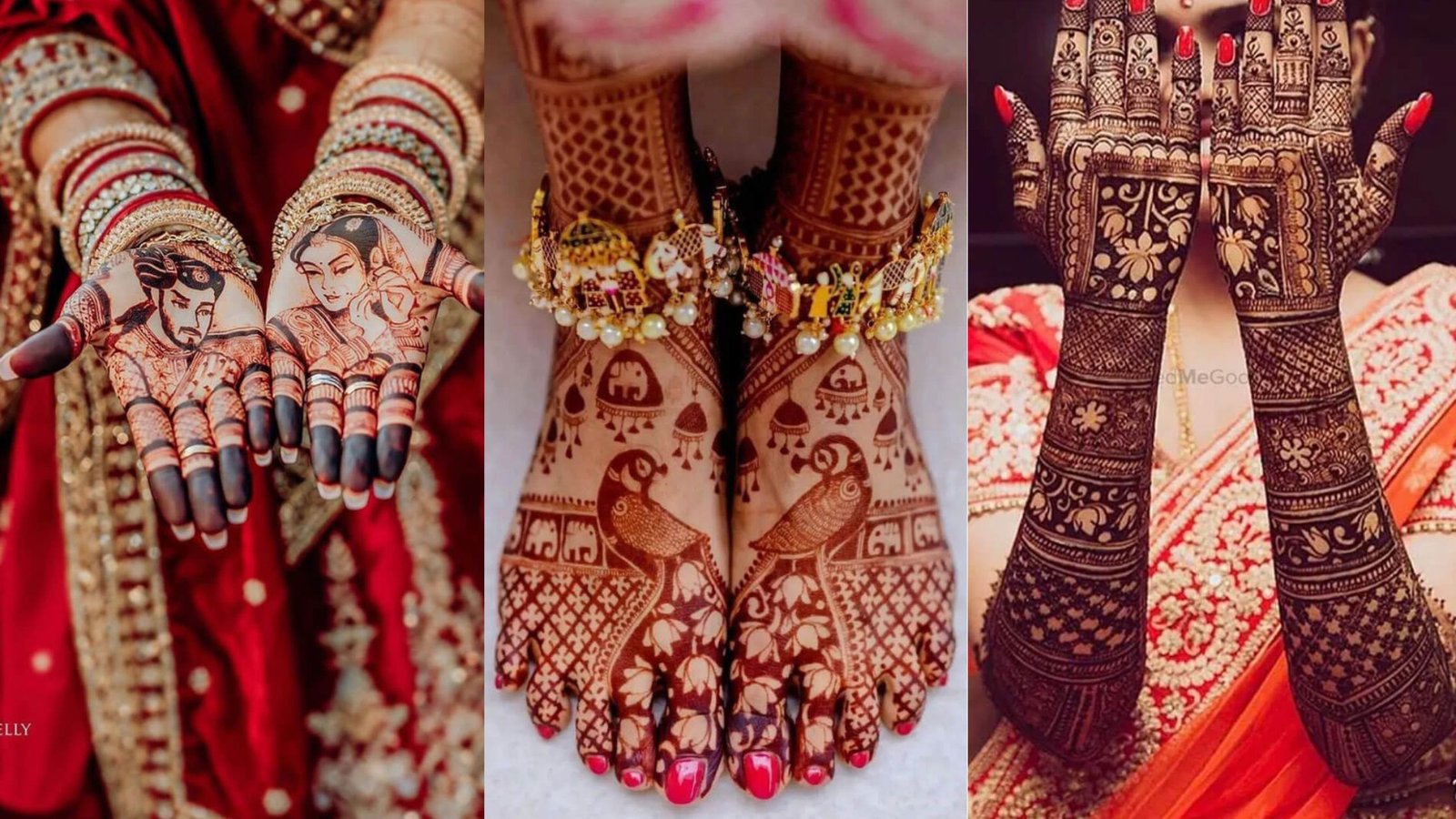
Incorporate symbols or silhouettes that tell your story. For instance, one bride’s palms featured her pet and her partner’s face in henna art. Pop-culture motifs (a camera for a photographer, or a lightsaber for a Star Wars fan) can make the design uniquely yours.
2. Scalloped Lace Patterns

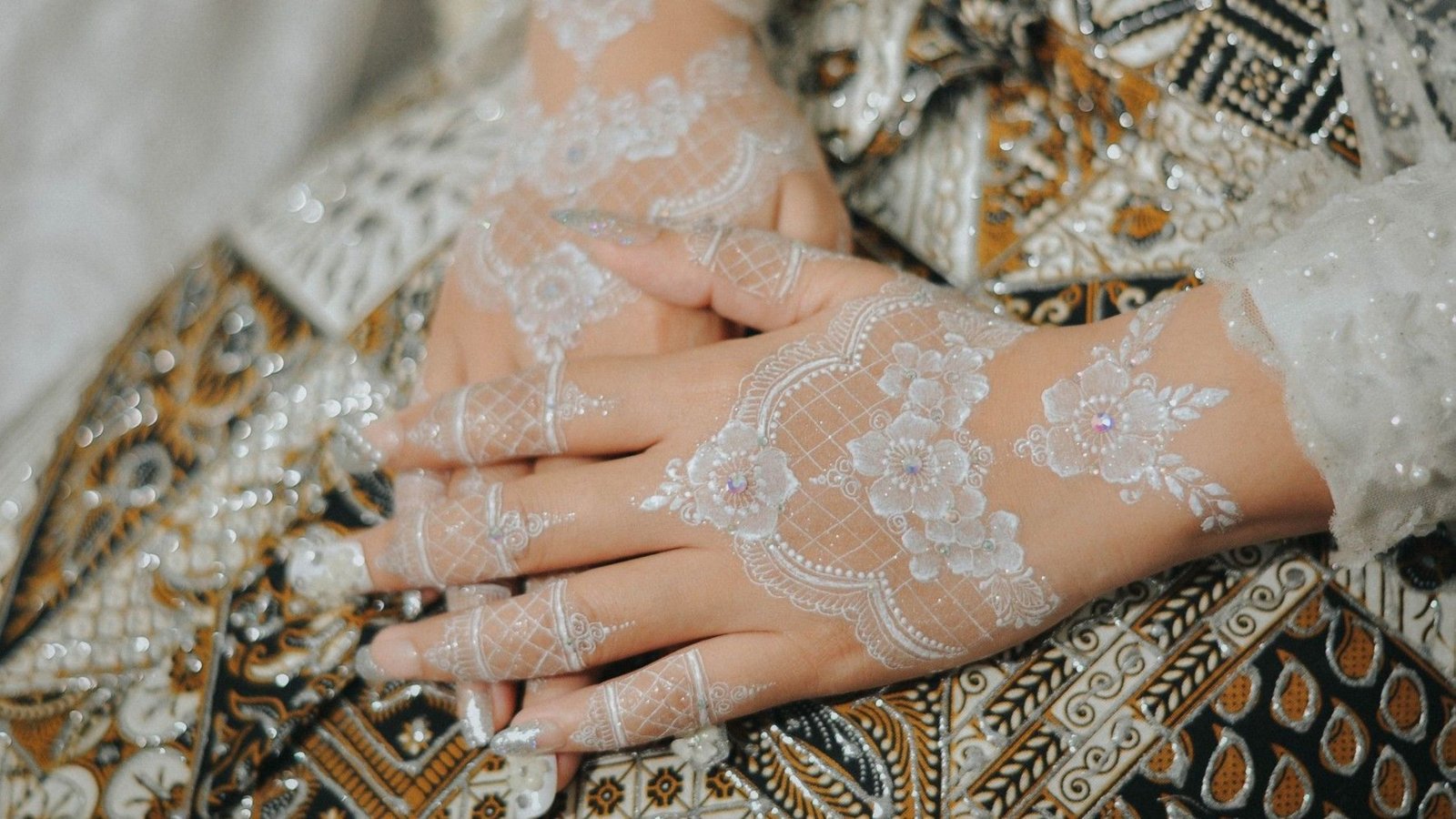
Use curved, lace-like borders on the back of the hands for a delicate scalloped effect. These designs mimic bridal lacework and look elegant with bangles. A bride paired her lace-style henna with gold jewelry, creating a bridal look that matched the intricate patterns of her gown.
3. Cultural Fusion Designs

Blend symbols from different heritages. A Chinese-Indian wedding might include a double-happiness character among the paisleys. Honor multiple traditions by weaving together motifs like peacocks (Indian), geometric vines (Arabic), or floral mandalas.
4. Elbow-Length Henna

Extend your design past the wrists up to the elbows. Such full-coverage bridal mehndi is traditional in Indian weddings and tends to last longer. One bride’s elaborate pattern started at her cuticles and crawled up to her elbow, creating the illusion of a lace glove.
5. Lavish Lace Motifs

Create a lace-inspired design that complements your attire. Brides often have henna that mirrors the embroidery on their dresses. For example, a New Orleans bride’s hand art closely matched the lace motif on her sari. Mirroring your fabric’s patterns in henna ties the look together beautifully.
6. Color-Coordinated Henna

Though natural henna is typically red-brown, some brides color-match their mehndi to their wedding palette. One bride had a deep red henna stain that perfectly matched her red sari. Today, there are even colored (non-traditional) henna pastes that brides have tried, shades like purple or white to coordinate with their outfits.
7. Storytelling Portraits

Some brides depict faces or scenes in their henna. One daring bride had custom portraits of herself and her groom on her palms, along with their names inked on her wrists. Others draw animals or flowers that hold personal meaning. This turns your mehndi into a mini love story on your skin.
8. Mandalas and “Fishnet” Fingertips

Combine a central mandala with mesh-like details. A common motif is a round mandala in the palm (symbolizing unity) with henna dots or net-patterned henna on the fingers. This “fishnet glove” effect looks both elegant and modern, giving an almost alluring, gloved look.
9. Coordinated Ensemble Design

Choose a mehndi that matches your bridal wardrobe. A bride who changed outfits multiple times had henna lace that paired with each sari and gown. Coordinating the henna style or color with your outfit brings harmony; for example, matching floral henna to a flower-embellished dress.
10. Protective Wrist Designs

Some brides place henna on the backs of their wrists and hands as a protective symbol. According to an expert, henna on the back of the hand is believed to bring protection to the bride and her marriage. Designs covering the hands and wrists (with rich, orange-red color) can thus be both beautiful and meaningful.
11. Mirror/Complementary Couple Henna

Coordinate your design with your partner. In one wedding, each bride had her own pattern, but both designs hid the other’s name within the art. In another, the groom had the bride’s name and hearts on his hand to “match” her floral style. Such complementary designs create a special shared experience.
12. Minimalist and Negative Space

For a modern twist, try a sparse, asymmetric design. Minimalist henna uses clean lines, dots, or single motifs with lots of empty space. One bride’s henna was nearly asymmetrical, featuring only a simple om symbol and a few fine lines. Minimalist patterns work well for simple ceremonies or brides who prefer understated elegance.
13. Regal and Brocade-Inspired

Let your attire inspire regality. A bride mirrored the gold embroidery on her opulent brocade dress in her henna. Tiny lotus blossoms in her design matched the symbols on her palms. Using gold or intricate floral tracery can impart a royal, ornate flair to your mehndi.
14. Floral Anklet & Foot Designs

Don’t forget your feet. Bridal mehndi is auspicious on feet too, though some cultures avoid religious symbols on soles. Intricate mandalas or floral prints can adorn ankles and feet. One design featured a large mandala on each foot, extending lace-like petals towards the toes, perfectly complementing the bridal shoes.
15. Floral Coordination (Matching Set)

Both bride and groom can feature florals. At one garden wedding, the bride’s hand design echoed the flowers on her lehenga, while the groom honored her with her name and two hearts on his palm. This “matching set” style shows unity, even small flourishes like matching vines on the groom’s pinky finger create a cohesive look.
16. Rose and Bloom Motifs

Large rose designs are striking. One bride incorporated large rose motifs across her palms, symbolizing love and beauty. Her henna featured a big bloom on each palm and smaller roses on each finger. If a particular flower is meaningful to you (like a wedding flower), featuring it in your mehndi personalizes the art.
17. Open-Palm Artwork

Cover the entire palm with a central motif. An elaborate palmar design can match the detail of the rest of your ensemble. One bride’s mehndi had lavish detail on the palms to complement her beaded gown. Fill your palm with mandalas, florals, and fine lines to make your hands a focal point.
18. Vine-and-Floral Wrappings

Wrap vines and leaves around your fingers and wrists. Floral vine patterns symbolize growth and new beginnings. A Southern California bride covered her hands and arms in interconnected vines and leaves. Adding a floral garland or matching bouquet ties the henna into the overall floral theme.
19. Themed Lattice or Geometric

Use geometric latticework to match an event theme. A “garden party” bride emphasized the wedding’s floral motif by using lattice-like net patterns with flowers in her henna. Geometric borders (like checkered or diamond nets) can frame floral designs, creating a sophisticated lattice effect.
20. Cultural Emblems

Mix motifs from different cultures. In one multicultural design, the paisleys and florals hid a Chinese double-happiness character in red. You could embed cultural symbols like a mandala from one tradition and a paisley from another to honor diverse heritages at your wedding.
21. All-Paisley Ornamentation

Go fully paisley-heavy. Paisley is an auspicious bridal motif symbolizing fertility. One design featured large paisleys on the palms and fingers, intertwined with mandalas and blossoms. An intricate all-paisley palm design with complementary finger motifs makes for a classically ornamental look.
22. Vibrant Colored Henna

Step outside the typical brown. Some brides experiment with non-traditional pigments (e.g., pre-tinted henna or added color). Before her wedding, one bride had bright purple henna to match her outfit. Colored henna (and even glitter accents) can make your design stand out, especially for themed or fusion ceremonies.
23. Foot-Centric Elegance

Feature your feet if you plan to be barefoot or wear sandals. Henna on the feet can mirror hand designs (like matching mandalas). One design emphasized a mandala on each foot with V-shaped trailing patterns toward the toes. This highlights both your foot jewelry and the delicate slippers you’ll wear.
24. Bold Statement Motifs

Use one large bloom or element as a focal point. Instead of many small flowers, try one big, bold blossom. A dramatic single rose design on the index finger (mirroring lace on the sleeve) made a statement for one bride. This lets one motif “speak loudly” while you add subtler detailing elsewhere.
25. Finger-to-Arm Spiral

Create a swirling pattern. A “call to arms” design spirals from the fingertips all the way up to the elbows in one continuous vine. A bride at a themed wedding did this, using a twisting design that covered from palm to elbow in a fluid motion. Spirals draw the eye along your arms beautifully.
26. Paisley-Leaf Vine (Nuptial Vines)

Weave slender vine patterns with paisleys around the hand. The twisting vines with floral and paisley accents symbolize entwined lives. Look for designs that form an “infinity” or continuous vine shape over the hands to represent unending commitment.
27. Tribal or Geometric Accents

Incorporate bold shapes like lines, triangles or chevrons for a tribal feel. Mixing tribal patterns (as in Moroccan henna) with florals adds edge. One could add diamond or zigzag bands at the wrist to contrast the softer floral fingers.
28. Personalized Initials or Dates

Subtly hide initials or wedding dates within the design’s border. This personal touch makes the henna uniquely yours. For example, brides have been known to write their groom’s name in Hindi or English script alongside decorative elements. It can be a sweet “secret” for the two of you.
29. Portrait or Scene in Henna

Very few do this, but you can include tiny portraits (like caricatures) of yourselves or a scene (your venue or theme). It’s a whimsical choice that turns your hands into a storybook. (Prepare for lots of questions if you try this!)
30. Jewelry-Inspired Henna

Draw henna that looks like bangles, rings, or necklaces. Patterns that mimic an anklet around the ankle or a cuff on the arm blur the line between body art and jewelry. This is a clever option for minimalist brides: henna “jewels” that last through the wedding festivities.
31. Geometric Modern Lines

Simple geometric shapes (triangles, squares, fine grids) can give a contemporary edge. Use straight lines and angular motifs for a modernist bridal mehndi. These often work best as accents to more organic designs, balancing softness with structure.
32. Abstract Swirls and Dots

For an artistic vibe, mix freeform swirls with dot clusters. Think of watercolor brushstrokes, swirl henna lines that flow without rigid symmetry, dotted intermittently. This creates an airy, almost abstract look, ideal for brides who want unique flair.
33. Sparkle and Gem Accents

Although not henna ink, adding temporary glitter or stick-on gems on top of the dried design is trendy. Gold or silver glitter dust applied before the henna sets (as seen in 2025 bridal trends) makes the design shimmer in photos. This is especially striking for evening receptions.
34. Minimal Dot Patterns

A very easy option: use small dots in patterns around fingers or a few dots on the palm. Dotted henna (even simple lines of dots) is minimalist and quick. It’s perfect for brides who want some mehndi but prefer it very subtle or need a quick design (for example, for bridesmaids or last-minute guests).
35. Custom Symbols and Motifs

Finally, personalize with any symbol close to your heart. It could be a beloved animal (elephants for luck), a hobby icon, or a spiritual symbol. Whatever resonates with your story can be artistically integrated. Sharing these ideas and inspirations with your henna artist will help them create the perfect custom pattern.
Each of these ideas can be adapted for full-hand henna designs, covering palms, backs of hands, wrists and even forearms, or simplified to smaller, easy henna designs on just the fingers or toes. Arabic-style designs often look effortless and bold, while Indian style favors intricate full-hand coverage. Ultimately, choose what suits your personality and event.
Tips for Beautiful, Long-Lasting Henna
- Timing: Plan to apply your bridal mehndi 1-2 days before the wedding. This gives the paste enough time to stain the skin deeply. Many brides schedule a late-evening mehndi session, so the paste stays on overnight, maximizing color development.
- Application: After the paste dries (usually 4-6 hours, or overnight for best results), gently scrape it off. Do not wash it away immediately. Applying a mix of lemon juice and sugar as the paste dries helps it adhere and darken the stain.
- Heat and Care: Keep your hands warm (a hair dryer on low, or mild heat exposure) to intensify the color. Avoid water on the design for at least 12-24 hours after removing the paste. When you do wash, use a gentle cleanser.
- Aftercare: Apply natural oils (coconut or mustard oil) to the design to moisturize and seal the henna. Avoid scrubs or chlorine, which fade henna quickly. With proper aftercare, bridal henna often lasts 1-3 weeks, typically longer on palms and feet due to thicker skin.
- Professional Touch: While DIY kits exist, a professional henna artist ensures even lines and intricate detail. Book an experienced artist early and discuss your favorite designs, they can tailor the ideas above into a stunning bridal mehndi for you.
Conclusion:
Wedding henna is an essential part of bridal preparation, and choosing the right service ensures your design looks elegant, meaningful, and long-lasting. From full-hand bridal henna to refined Arabic wedding henna designs, every detail should reflect your style and wedding vision. Attention to cleanliness, precision, and customization makes a noticeable difference in the final result. Shifaz Henna provides professional wedding henna services in Dubai and across the UAE, offering personalized designs that suit traditional, modern, and fusion bridal looks.
Book your appointment with Shifaz Henna today to get gorgeous, lasting wedding henna designs tailored just for you!
Frequently Asked Questions (FAQs)
1. How long do wedding henna designs last?
Wedding henna designs typically last 1 to 3 weeks, depending on skin type and aftercare. Designs on palms and feet tend to stay darker for longer.
2. When should bridal henna be applied before the wedding?
Bridal henna is best applied 1 to 2 days before the wedding. This allows the color to fully develop and look its darkest on the wedding day.
3. Are Arabic wedding henna designs suitable for brides?
Yes, Arabic wedding henna designs are popular for their elegant floral patterns and clean spacing. They are ideal for brides who prefer a modern yet traditional look.
4. What are easy henna designs for brides with limited time?
Simple floral vines, mandalas, or minimal finger designs are quick and elegant. These easy henna designs still look bridal without heavy coverage.
5. How can I make my wedding henna darker and long-lasting?
Keep the henna paste on for several hours and avoid water for 24 hours after removal. Applying natural oils helps deepen the color and extend longevity.