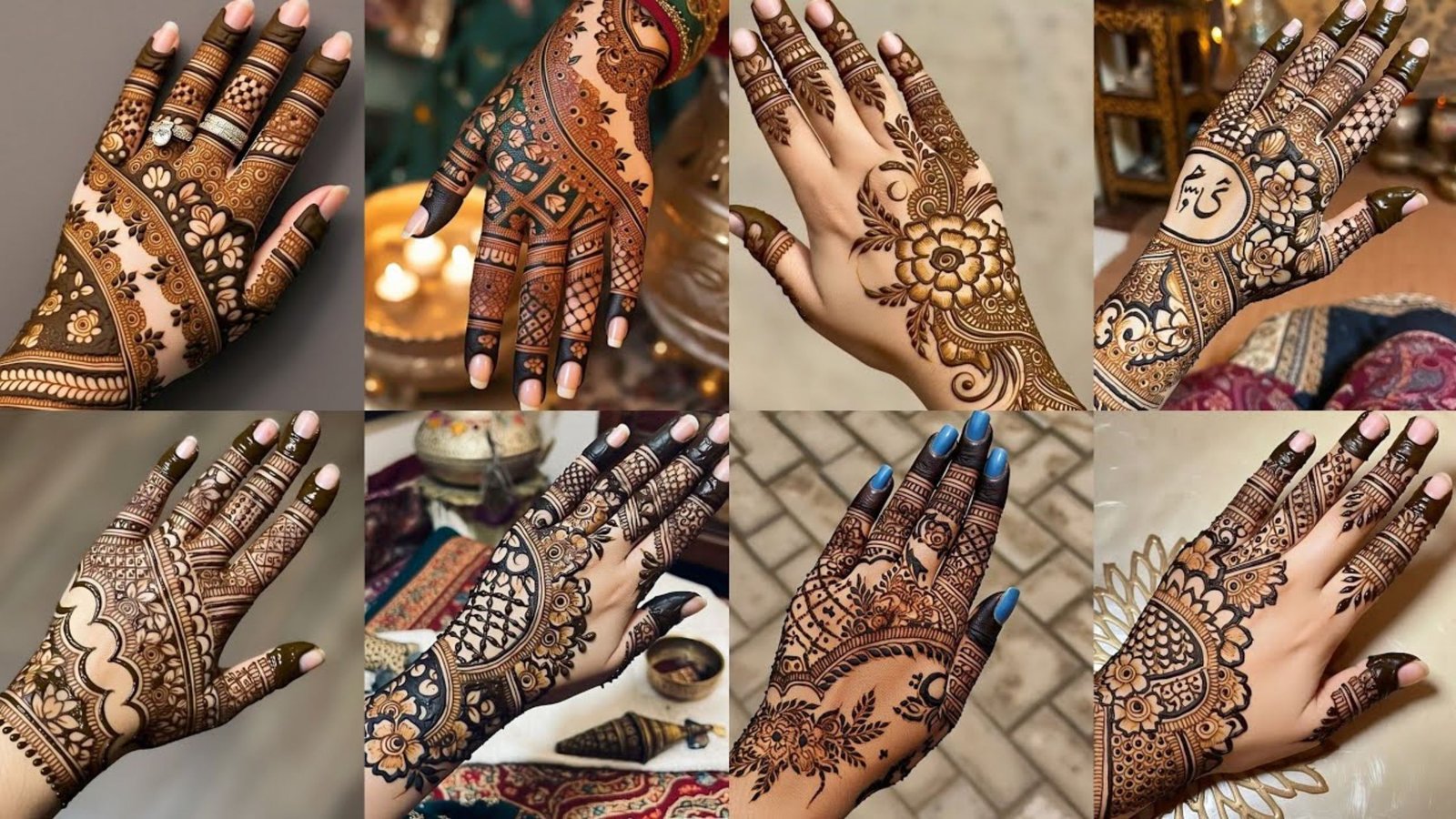
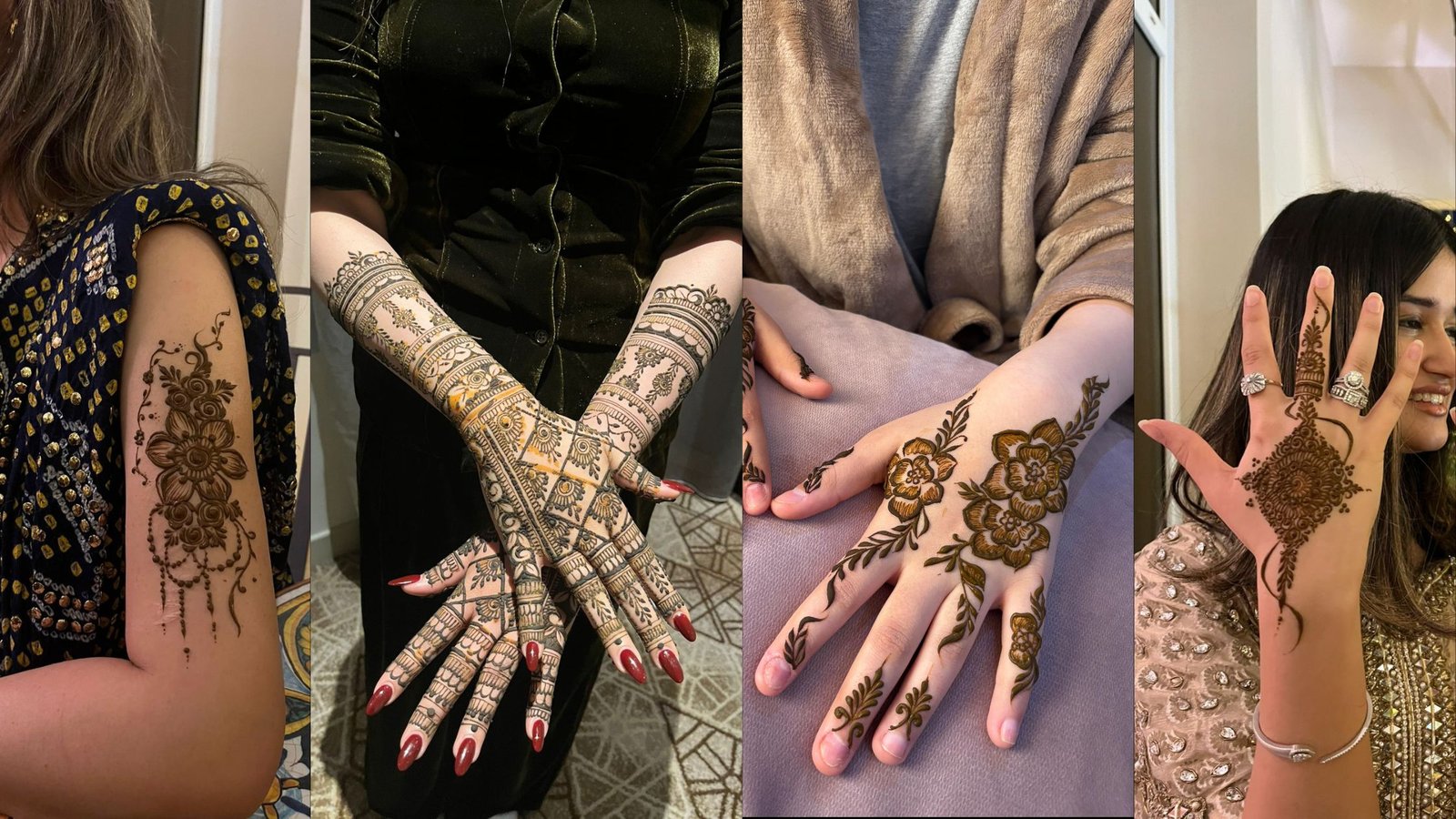
White henna has become one of the most striking body art trends of recent years. Brides, party guests, and festival goers love its bold look and modern vibe. But here’s the thing: white henna isn’t actually henna in the traditional sense. It doesn’t stain the skin, and it doesn’t deepen into deep red or brown tones. Instead, it’s a body-safe adhesive or paint that gives the look of henna without the permanence.
So the big question is how long does white henna last?
At Shifaz Henna, we’ve applied thousands of designs for clients across weddings, private parties, and photoshoots. Our updated 2025 guide explains how long white henna lasts, why it fades, and what you can do to keep it looking beautiful for as long as possible.
What Exactly Is White Henna?
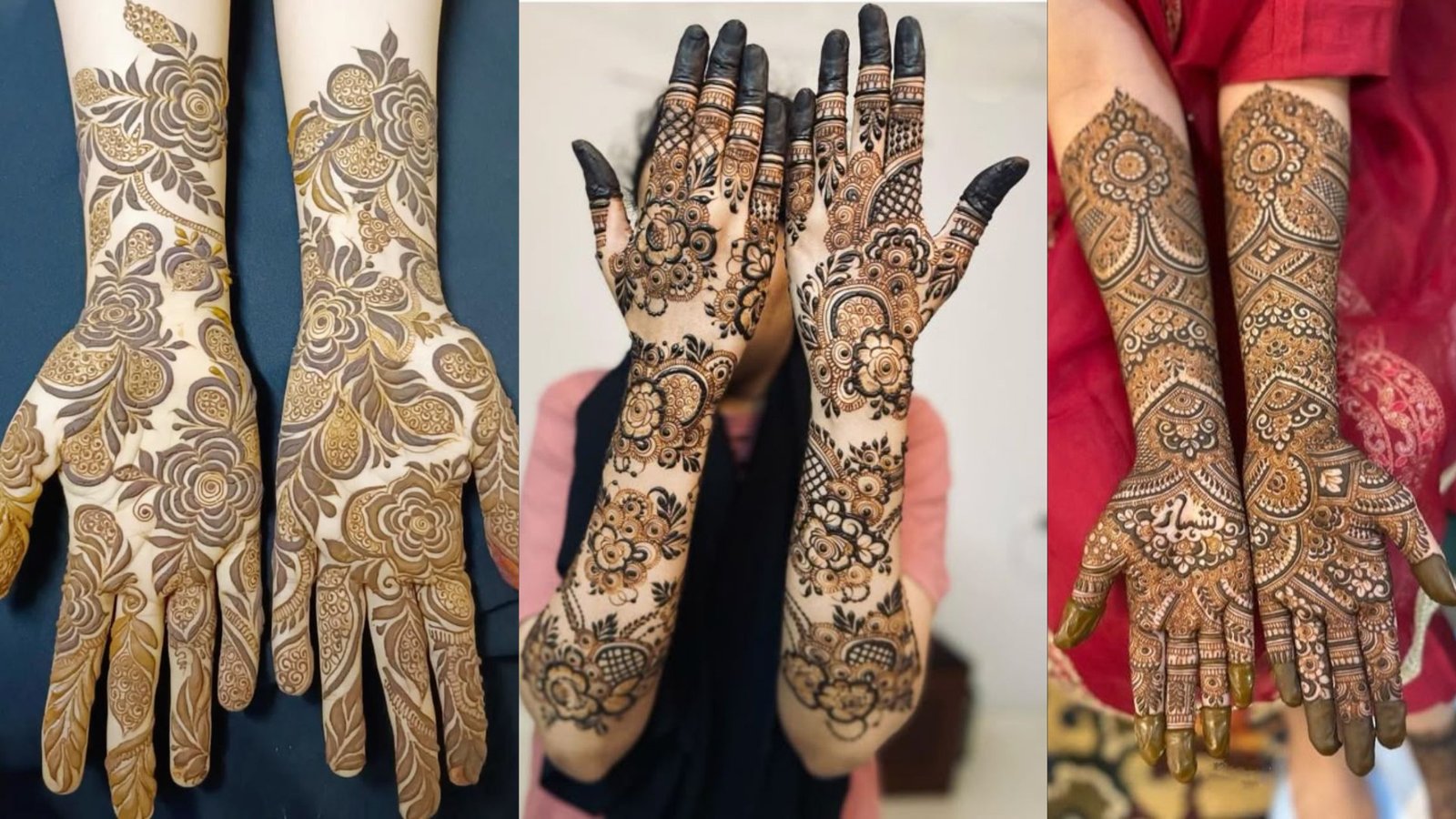
Traditional henna is made from the powdered leaves of the Lawsonia, inermis plant. When mixed with natural liquids like lemon juice and essential oils, it stains the top layer of your skin. That stain darkens over 24–48 hours and can last 1–3 weeks depending on care and placement.
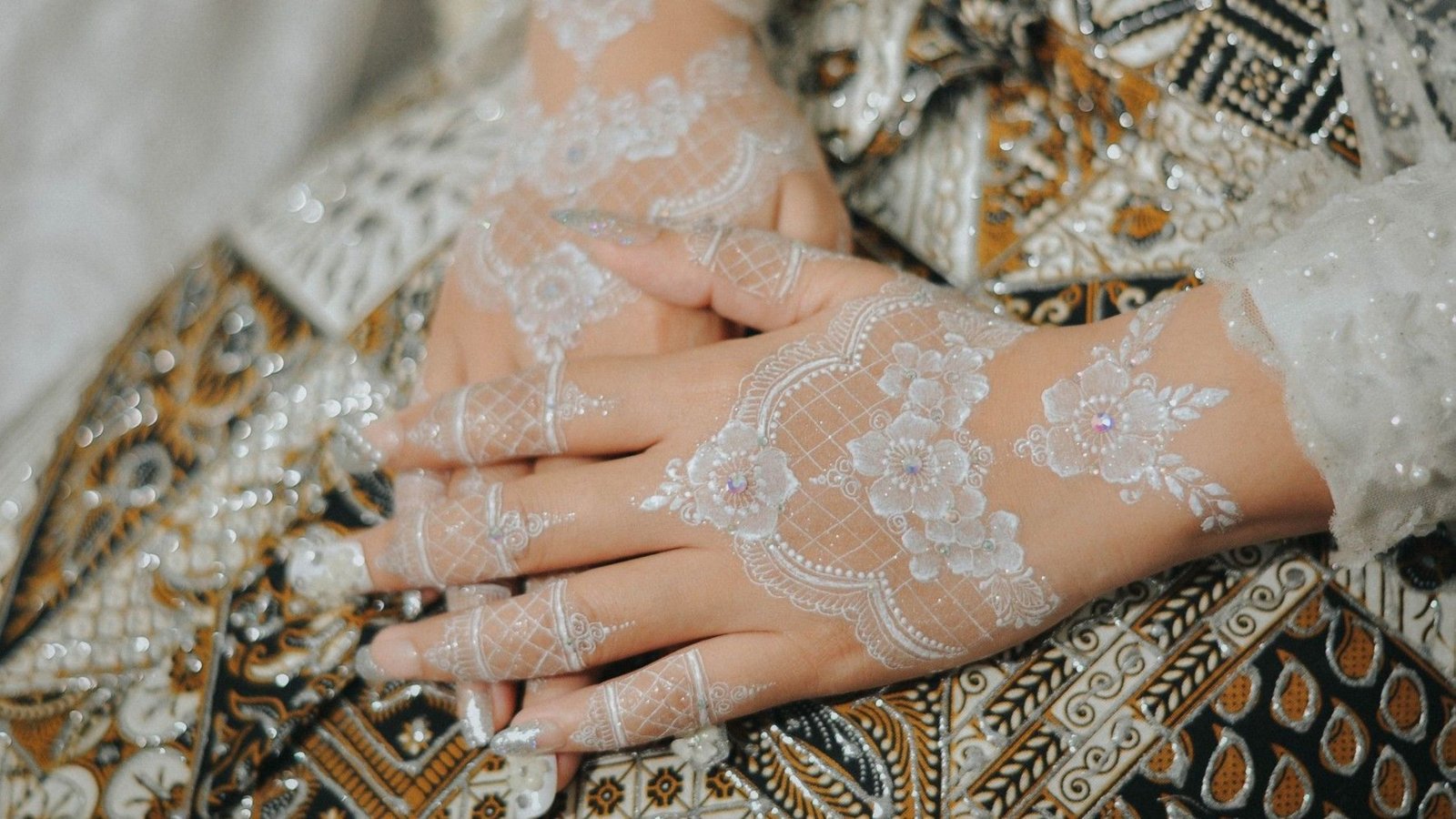
White henna, on the other hand, isn’t henna at all. It’s usually a skin-safe adhesive mixed with white body paint, mica, or cosmetic pigment. Some formulas are waterproof for short periods, but all of them sit on the surface of your skin rather than penetrating it. Think of it as a removable tattoo sticker with the delicate artistry of henna.
How Long Does White Henna Last?
On average, white henna lasts 2 to 5 days. With careful aftercare, it can sometimes stretch to 7 to 10 days, but in high-wear areas like hands and feet, the design may fade in as little as 1–3 days.
Here’s a timeline to help you visualize what usually happens:
| Day | What It Looks Like |
| Day 1 | Bright white, opaque, and crisp lines |
| Day 2–3 | Still bold, but minor fading may appear |
| Day 4–5 | Softer edges, more subtle appearance |
| Day 6–7+ | Noticeably faded, blending into skin tone |
This difference in longevity is the single biggest reason people choose white henna for special events rather than everyday wear. It’s perfect for weddings, engagement parties, festivals, or photoshoots, but not intended for long-term body art.
Why Does White Henna Fade So Quickly?
White henna fades faster because it isn’t absorbed into your skin. Instead, it rests on top and is held in place with a cosmetic adhesive. As soon as your skin is exposed to water, friction, or natural oils, the design begins to weaken. Add in natural cell turnover and exfoliation, and you’ll see why it rarely lasts longer than a week.
Let’s compare white henna and traditional henna side by side:
| Feature | Traditional Henna | White Henna |
| Penetration | Stains outer skin layer | Sits on skin surface only |
| Longevity | 1–3 weeks | 2–5 days (up to 10 with care) |
| Fade Mechanism | Gradual exfoliation | Friction, water, and skin oils |
| Color Appearance | Reddish-brown to dark tones | Bright, opaque white |
| Cultural Role | Deep traditional symbolism | Modern decorative aesthetic |
Key Factors That Affect Longevity
- Placement of the design: Areas with less friction, like arms or shoulders, hold the design longer than palms or feet.
- Skin type: Oily skin tends to break down adhesives faster, while dry skin retains the design a little better.
- Exposure to water: Swimming, showers, and hand-washing speed up fading.
- Friction: Shoes, jewelry, or clothing rubbing against the design cause it to peel.
- Aftercare: Proper moisturizing and gentle handling extend wear.
- Product quality: Professional-grade formulas last longer than cheap DIY mixes.
How to Make White Henna Last Longer?
While you can’t stop white henna from eventually fading, you can extend its lifespan with smart aftercare:
- Avoid water contact for the first 12–24 hours.
- Pat the design dry instead of rubbing it after showers.
- Apply a thin layer of petroleum jelly or natural oil before bathing.
- Stay away from exfoliating scrubs and loofahs.
- Avoid applying the design on joints where bending and stretching cause cracks.
At Shifaz Henna, we provide aftercare instructions for every client to make sure their design lasts through the event. For brides, we often recommend combining white henna accents with natural henna stains for a layered look that’s both temporary and lasting.
Who Should Try White Henna?
White henna is perfect if you want:
- A temporary design for a wedding, photoshoot, or event.
- A striking contrast against colorful clothing.
- A design that looks bold under stage or studio lighting.
- A non-staining option that won’t linger after the celebration.
It’s not ideal if you’re hoping for a two-week design or a deep cultural henna experience. In that case, traditional henna is the better choice.
Safety of White Henna
Because white henna is made with adhesives and pigments, always make sure your artist uses cosmetic-grade, skin-safe products. At Shifaz Henna, we never use PPD (para-phenylenediamine) or any harsh chemicals. We also recommend a patch test if you have sensitive skin.
When to Choose White Henna Over Traditional Henna?
White henna isn’t about tradition, it’s about style. It works best for themed parties, fashion shoots, or occasions where you want something temporary but striking. If your event is short, it’s the ideal choice. If your design needs to last, traditional henna is the answer.
Final Thoughts
White henna offers short-term beauty with maximum impact. Most designs last just a few days, but with careful placement and aftercare, you can extend wear for nearly a week. The key is knowing what to expect so you’re not surprised when it fades faster than traditional henna.
At Shifaz Henna, we provide both traditional and modern henna artistry, including bridal, party, and festival packages. And for those who want the convenience of designs at home, our henna home service in Dubai brings professional artistry right to your doorstep.
Whether you’re preparing for a wedding, a photoshoot, or a private event, our team ensures your white henna looks flawless from the first moment until the last.
Frequently Asked Questions (FAQs)
1. Is white henna waterproof?
Some formulas resist light water exposure, but it’s not fully waterproof. Extended contact with water will cause peeling.
2. Can I apply it myself?
Yes, but results vary. Professional artists apply it evenly and use longer-lasting products.
3. Does white henna stain clothes?
It usually sits on the skin, but fresh designs can transfer. Wear loose clothing until it’s fully dry.
4. Can it be combined with natural henna?
Yes. Many brides choose traditional henna for palms and white henna accents for arms or back designs.