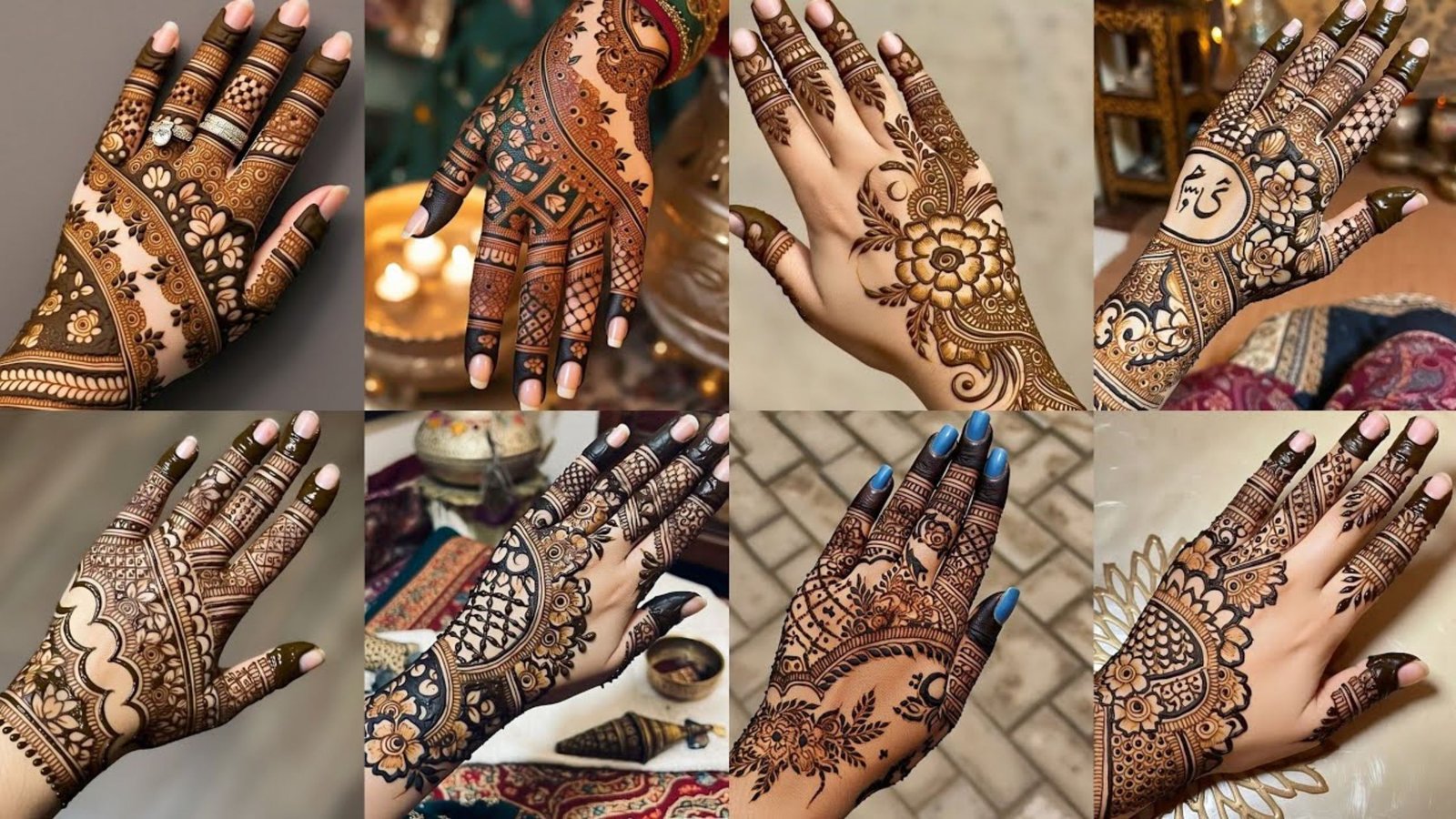
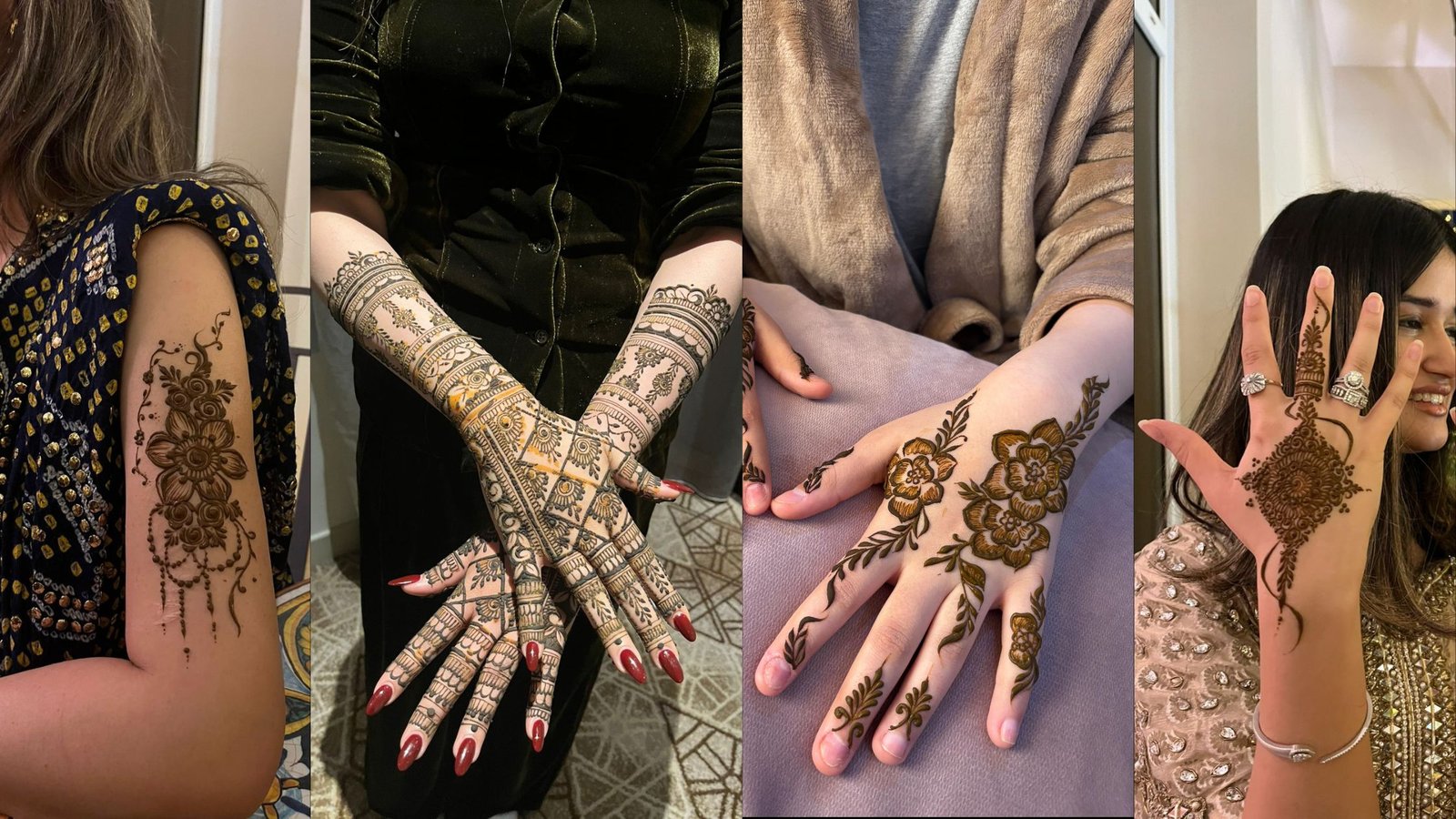
Dubai’s henna art narrative spans millennia, weaving ancient customs with cutting-edge creativity. In recent years, henna artists have blended Bedouin heritages, South Asian intricacies, and global design innovations to create looks that resonate across cultures. This evolution reflects Dubai’s status as a melting pot where tradition and modernity coalesce seamlessly.
Historical Foundations of Henna in Dubai
Henna’s story begins with the Lawsonia inermis plant, whose paste served as a natural dye across North Africa, the Middle East, and South Asia. Trade routes brought aromatic pastes and patterning techniques to the Arabian Gulf centuries ago.
By the 19th century, henna rituals had anchored themselves in Emirati celebrations. From bridal soirées to Eid gatherings, families passed down motifs symbolizing fertility, protection, and blessing. The craft thrived in communal courtyards, where elders taught youth the art of dotwork and swirling vines.
The Pillars of Traditional Henna Designs in Dubai
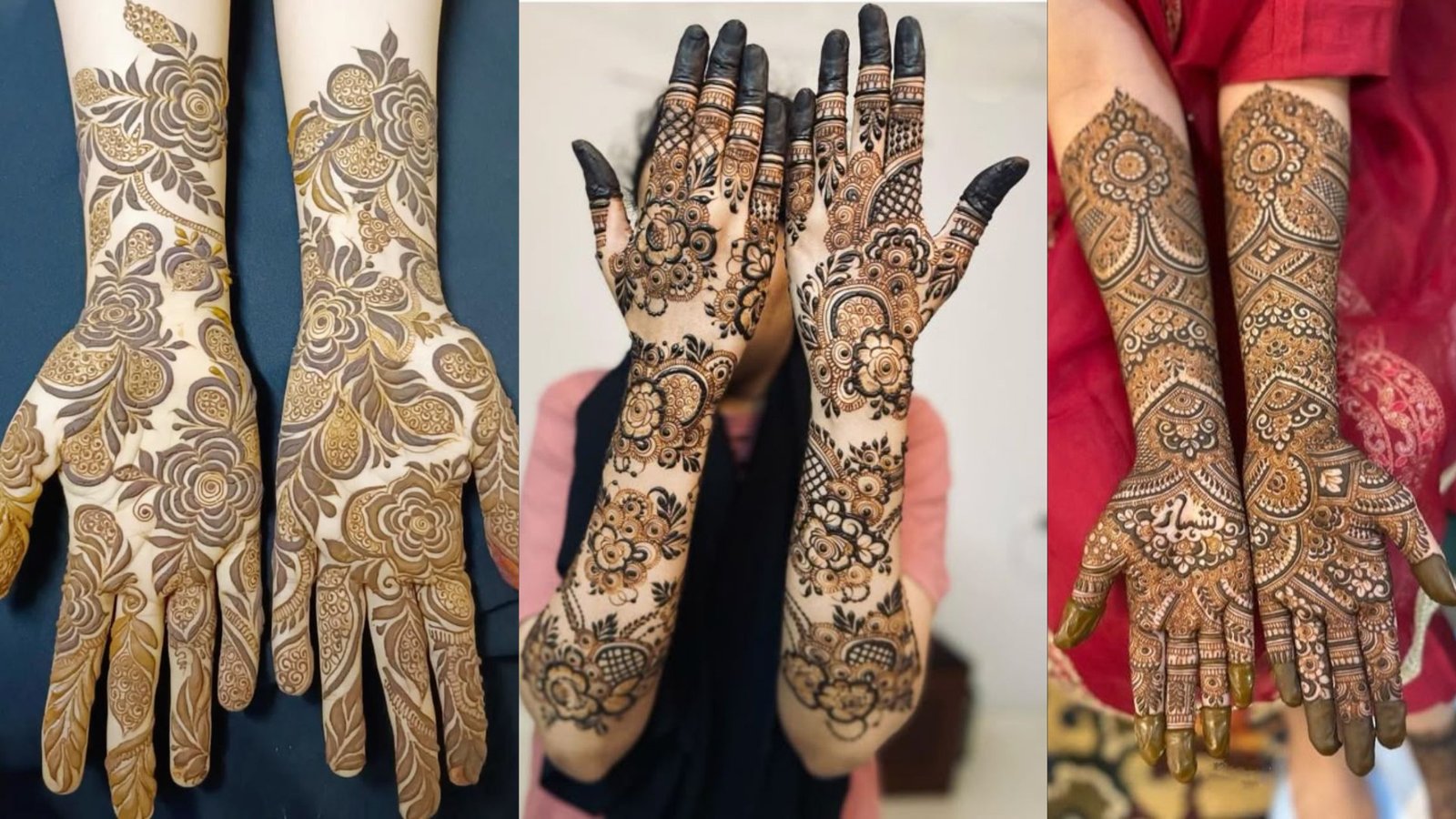
Traditional henna in Dubai draws from three principal lineages, Arabic, Indian, and Moroccan, each with distinct signatures that honor cultural legacies while emphasizing the wearer’s femininity.
| Style | Key Elements | Coverage | Symbolism |
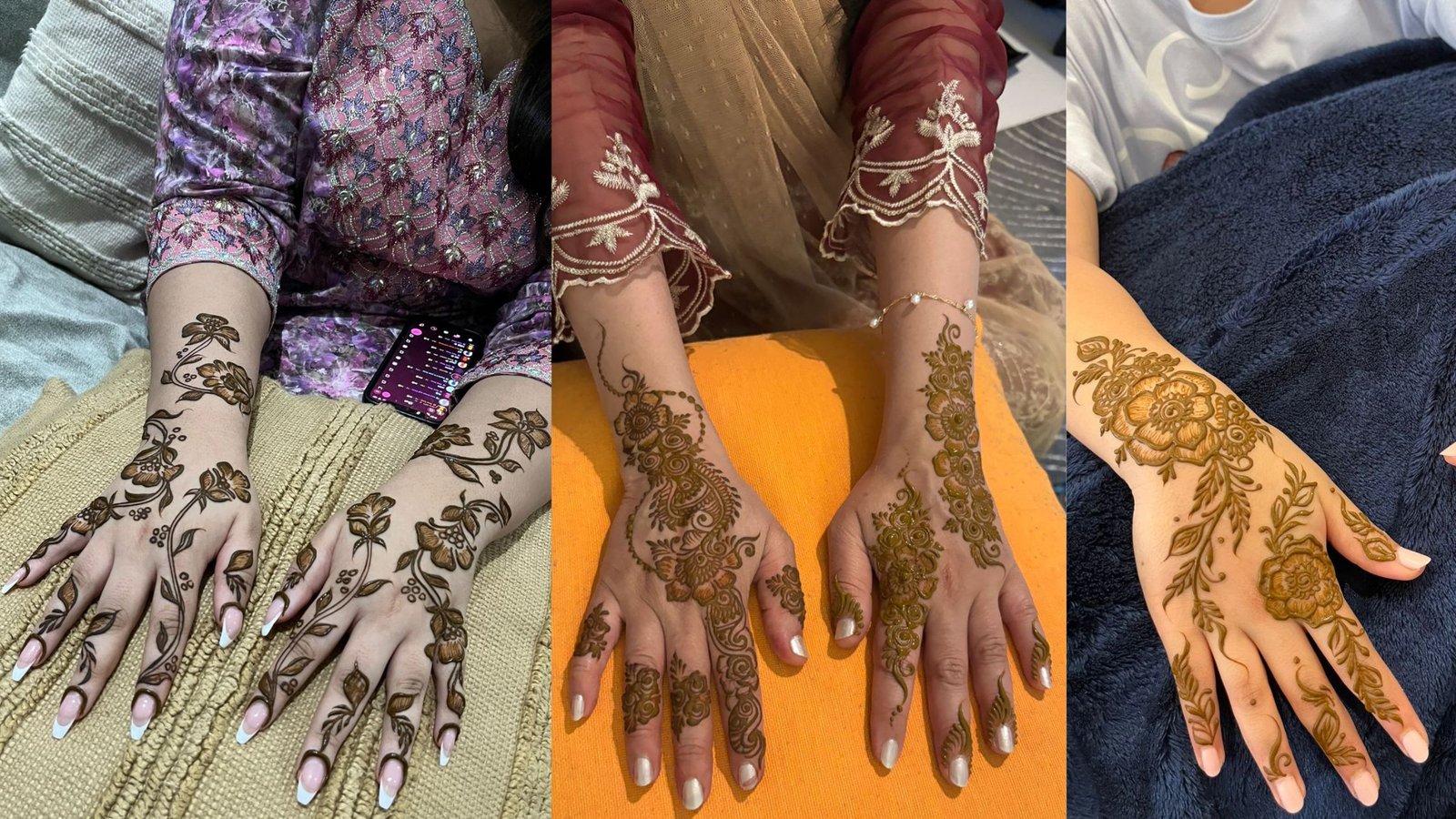
| Arabic | Bold florals, sweeping vines, open space | Hands, feet | Elegance, purity |
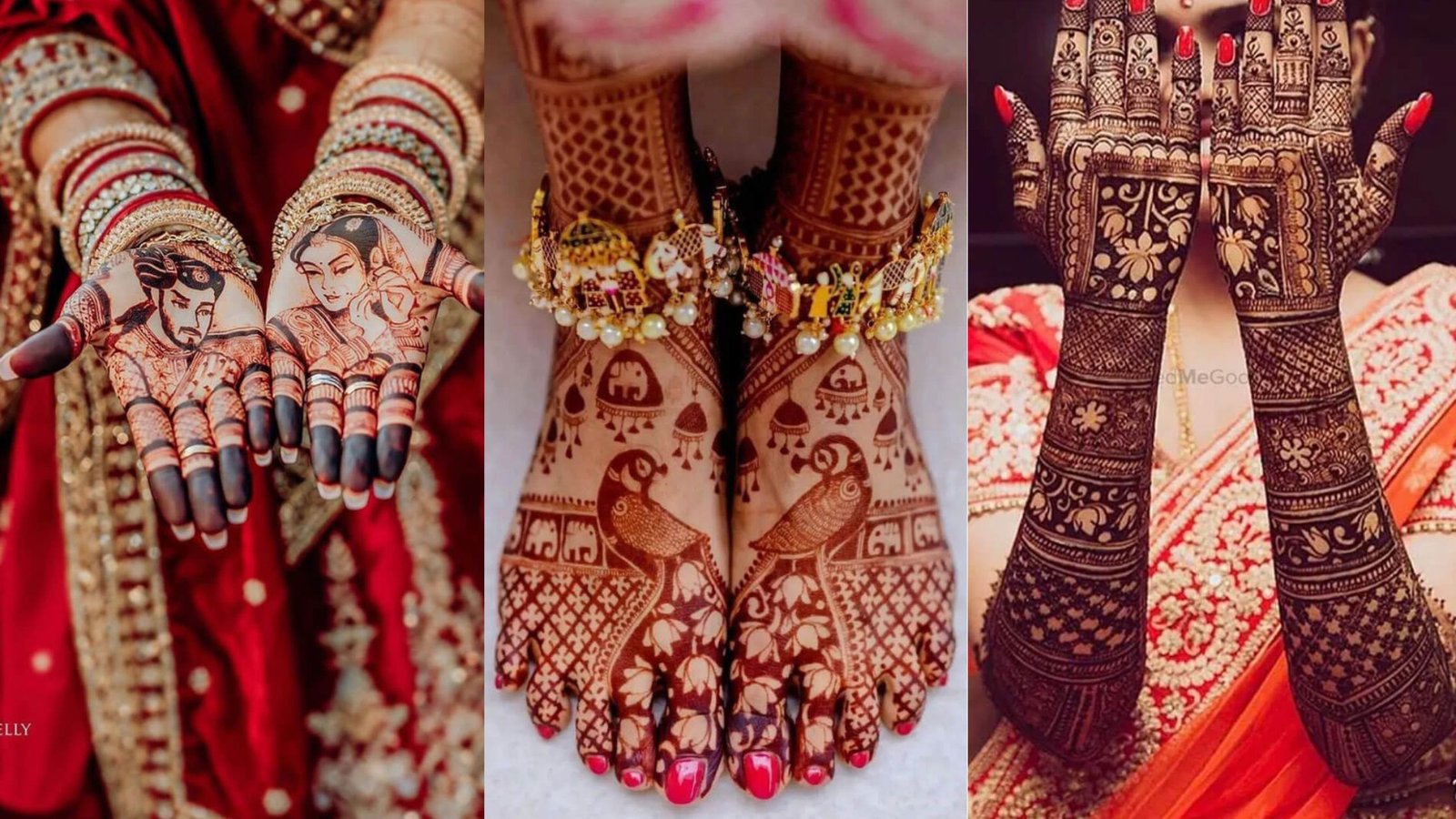
| Indian | Dense patterns, paisleys, peacocks | Full palms | Fertility, joy, prosperity |
| Moroccan | Geometric shapes, tribal motifs | Back of hands | Protection, tribal identity |
These foundational styles remain popular during weddings and festivals, offering a visual link to the region’s shared heritage.
Through Shifaz Henna’s signature techniques, clients can explore these classic motifs with authentic detail.
Emergence of Modern Henna Trends
Dubai’s cosmopolitan pulse has inspired a wave of contemporary innovations in henna art. Modern creations often integrate:
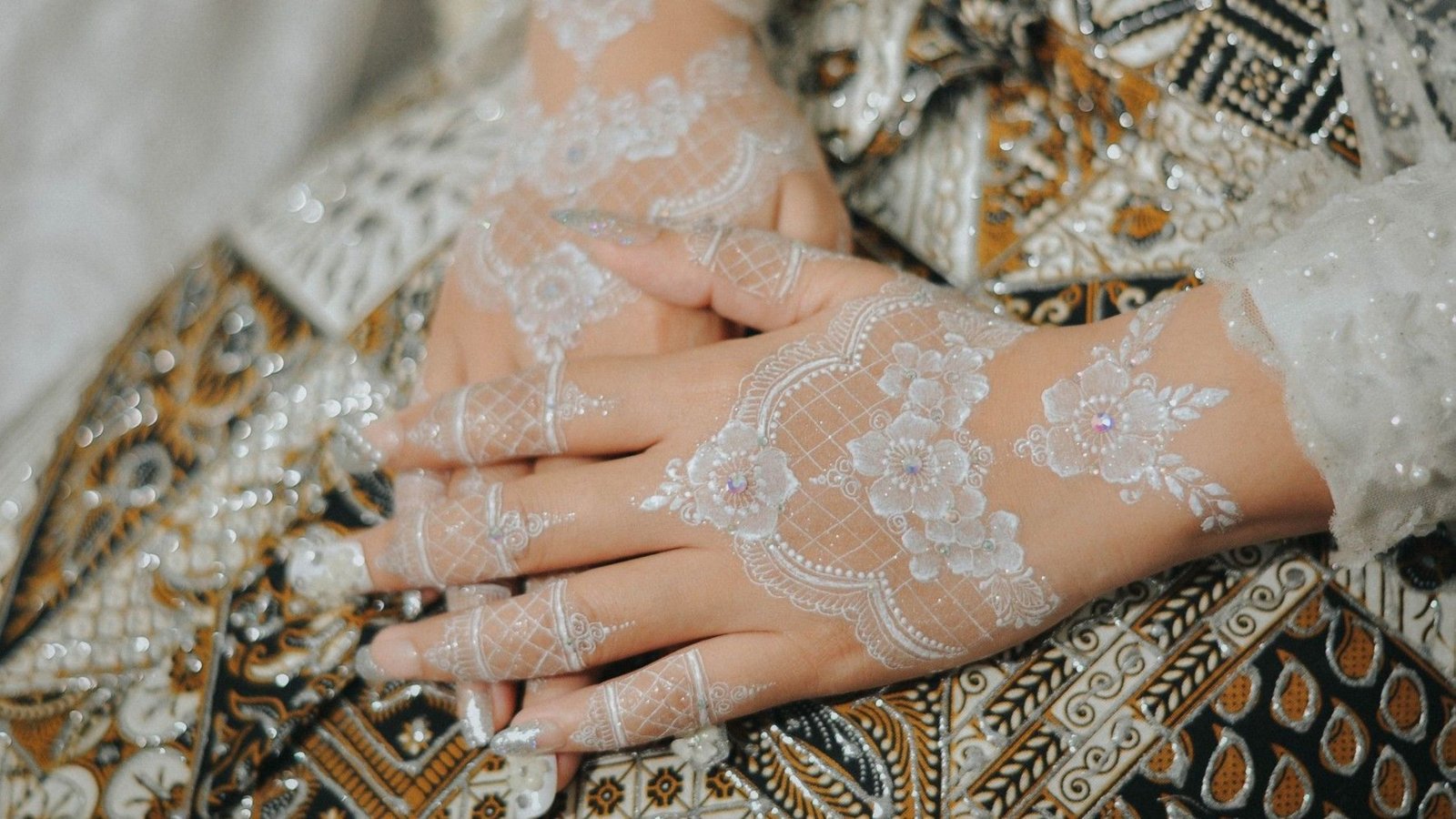
- White henna made from body-safe paints
- Geometric patterns and minimalist linework
- Watercolor-style gradients and metallic accents
These trends cater to brides seeking a twist on tradition, corporate planners booking interactive activations, and fashion influencers craving photogenic details. Instagram and Dubai Design Week have propelled these styles onto global stages, fueling constant reinvention.
| Modern Trend | Description | Typical Venue | Approximate Application Time |
| White Henna | Non-staining paste that mimics lace | Weddings, photoshoots | 30–60 mins |
| Geometric & Minimalist | Clean lines, negative space, mandalas | Corporate events | 20–45 mins |
| Metallic & Pearl Embellish | Henna paste mixed with shimmer or pearls | Luxury galas | 1–2 hours |
Materials and Techniques Driving Evolution
Innovations in paste ingredients and applicator tools have elevated modern henna art beyond its organic roots. Today’s artists formulate blends with:
- Natural essential oils (eucalyptus, lavender) for deeper stains
- Organic sugars and lemon-tea seals to extend design longevity
- Cosmetic-grade pigments for white and metallic finishes
Application methods have also expanded. Traditional cones remain popular, but flexible brushes and fine-tipped bottles enable ultra-precise micro-art. This fusion of old and new ensures each design reflects both time-honored craftsmanship and technical progress.
Cultural Fusion and Artistic Innovation
Dubai’s multicultural landscape fosters a dynamic creative dialogue among henna artists. Bedouin heritage inspires negative-space desert patterns, while Persian florals meet Japanese minimalist aesthetics in city-center studios.
Social media platforms amplify these cross-cultural experiments. Arab and South Asian influencers share behind-the-scenes reels, showcasing time-lapse transitions from blank skin to elaborate arm tapestries. This digital exposure accelerates trend cycles, prompting artists to craft fresh hybrids daily.
For clients seeking comfort and privacy, many opt for convenient henna home service in Dubai offered by mobile specialists. These on-site sessions blend professional expertise with personalized ambiance, ensuring every design aligns with the occasion’s spirit.
The Role of Personalized Experiences
Personalization lies at the heart of Dubai’s henna renaissance. Beyond picking a template, clients can collaborate with artists to weave initials, dates, or motifs representing personal journeys into custom compositions.
Bridal parties value immersive consultations to tailor bridal suites. Corporate clients request brand-aligned patterns for product launches and team-building events. Food festivals and art fairs feature live stations where attendees choose from curated trend galleries to craft a one-of-a-kind keepsake.
Those in pursuit of an all-inclusive session often discover The Ultimate Henna Experience in Dubai, where each appointment combines bespoke design work, luxury care kits, and digital aftercare support.
Luxury and High-End Henna Artistry
In Dubai’s luxury sector, henna art has transcended its folk-art origins to become a premium service. High-profile weddings and red-carpet soirées integrate crystals, Swarovski pearls, and metallic foils into henna compositions.
Top-tier stylists collaborate with jewelry designers to echo cuff bracelets or chandelier earrings through interlaced henna dots and filigree lines. The result is an opulent adornment that photographs as breathtaking close-ups and complements couture gowns.
Brands hosting VIP lounges and fashion galas frequently secure Luxury Henna Art in Dubai to surprise guests with wearable art that fades gracefully after the event.
Conclusion
Over centuries, henna in Dubai has journeyed from organic ritual dye to a boundary-breaking art form that bridges tradition and innovation. As artists continue to refine techniques, ingredients, and personalization, henna remains a vibrant emblem of cultural continuity and creative evolution.
Shifaz Henna is proud to provide these exceptional services, ensuring each design honors its ancestral roots while embracing tomorrow’s trends.
Frequently Asked Questions (FAQs)
1. What is the origin of henna art in Dubai?
Henna art in Dubai traces back to ancient trade routes carrying Lawsonia inermis paste from North Africa and South Asia. It became integral to Emirati celebrations, symbolizing blessings and community ties.
2. How have traditional henna designs in Dubai changed over time?
While Arabic, Indian, and Moroccan styles remain foundational, modern designs now incorporate white henna, geometric motifs, and metallic pigments to reflect global influences and contemporary tastes.
3. What modern henna trends are popular among Dubai’s residents?
White henna, minimalist lines, mandala patterns, watercolor gradients, and pearl-embellished designs top the list, especially for weddings, corporate events, and fashion shoots.
4. How can one maintain a henna design in Dubai’s hot climate?
To preserve a henna stain, artists recommend sealing pastes with citrus-sugar mixtures, avoiding water for 12–24 hours, and moisturizing with natural oils like coconut or shea to extend color depth.
5. Where can I book a professional henna artist in Dubai?
Clients can secure expert henna services through Shifaz Henna, accessing specialized packages for home visits, bridal events, corporate activations, and luxury galas.