Dubai’s wedding celebrations are known for their grandeur, blending timeless traditions with modern luxury. Among the most cherished customs is the bridal mehndi ceremony, where intricate henna patterns adorn the bride’s hands and feet. This guide dives deep into every aspect of securing a seamless henna home service in Dubai for weddings, ensuring brides feel beautiful and relaxed on their special day.
From understanding the cultural significance of henna to comparing home-based and salon offerings, readers will discover how to choose skilled artists, prepare for appointments, and maintain vibrant designs. Along the way, Shifaz Henna highlights key considerations, trend insights, and practical advice. By the end, brides and their families will be equipped to book an unforgettable at-home mehndi experience.
Whether planning an intimate villa gathering or a lavish ballroom affair, Dubai’s top-tier mehndi services bring professional artistry and personalized attention directly to your doorstep. Embrace the art of henna for weddings in Dubai and make your bridal mehndi ceremony an exquisite reflection of tradition and contemporary flair.
The Cultural Significance of Bridal Henna in Dubai
Henna, or mehndi, has deep roots in Middle Eastern and South Asian celebrations. In Dubai, it symbolizes joy, protection from negativity, and the bond between families. Bridal mehndi ceremonies serve as a vibrant prelude to wedding festivities, often accompanied by music, dance, and traditional sweets.
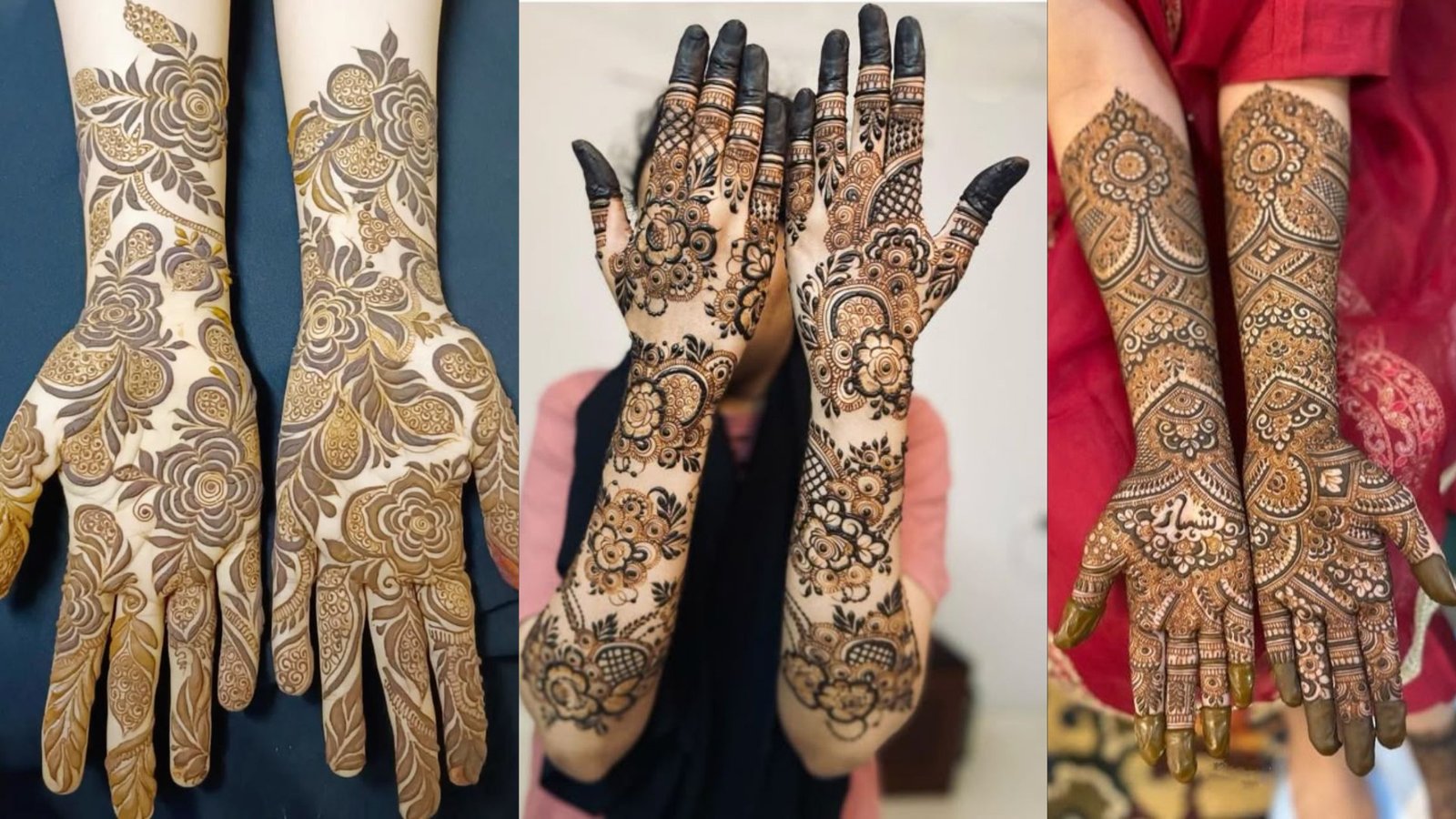
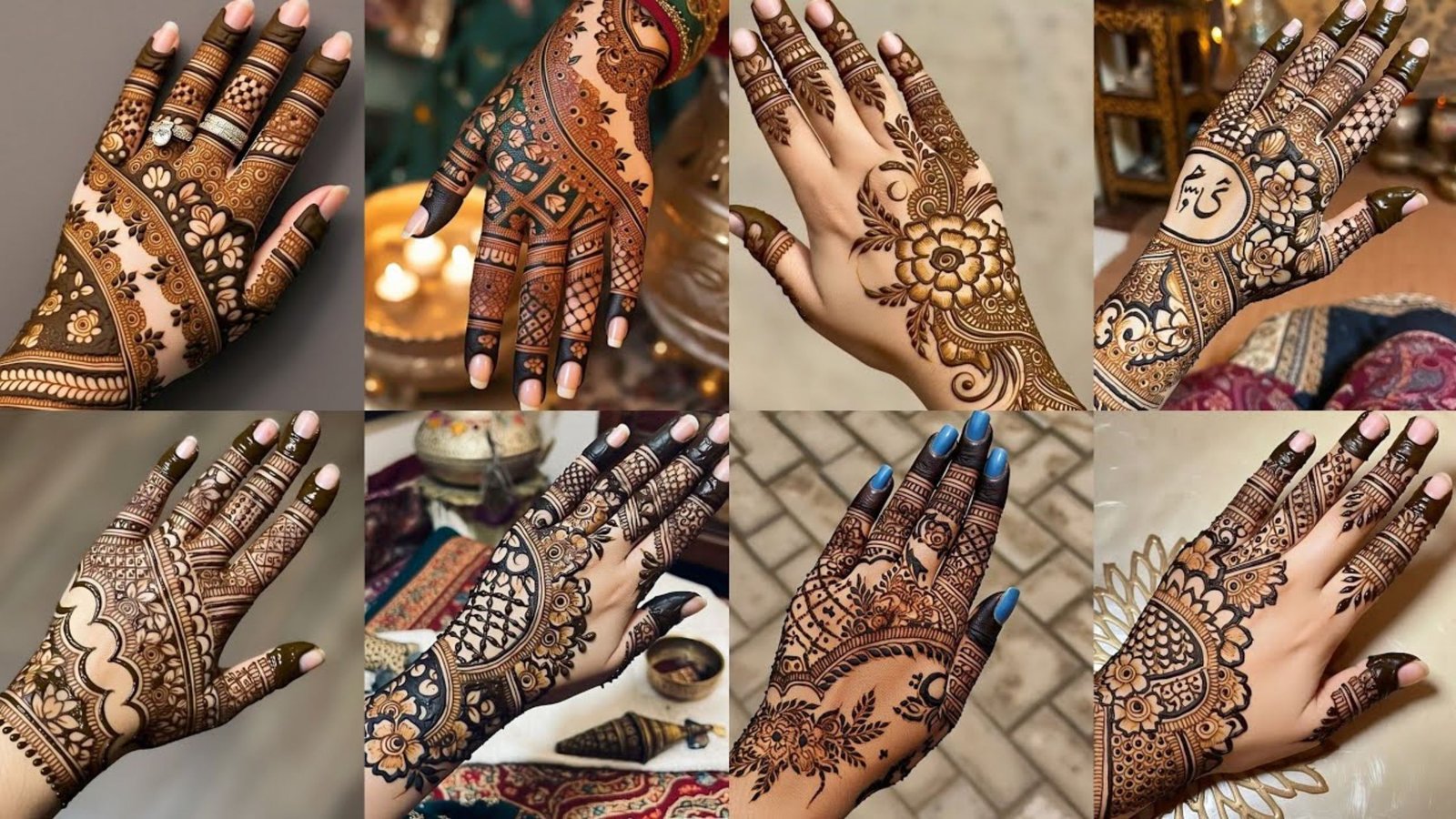
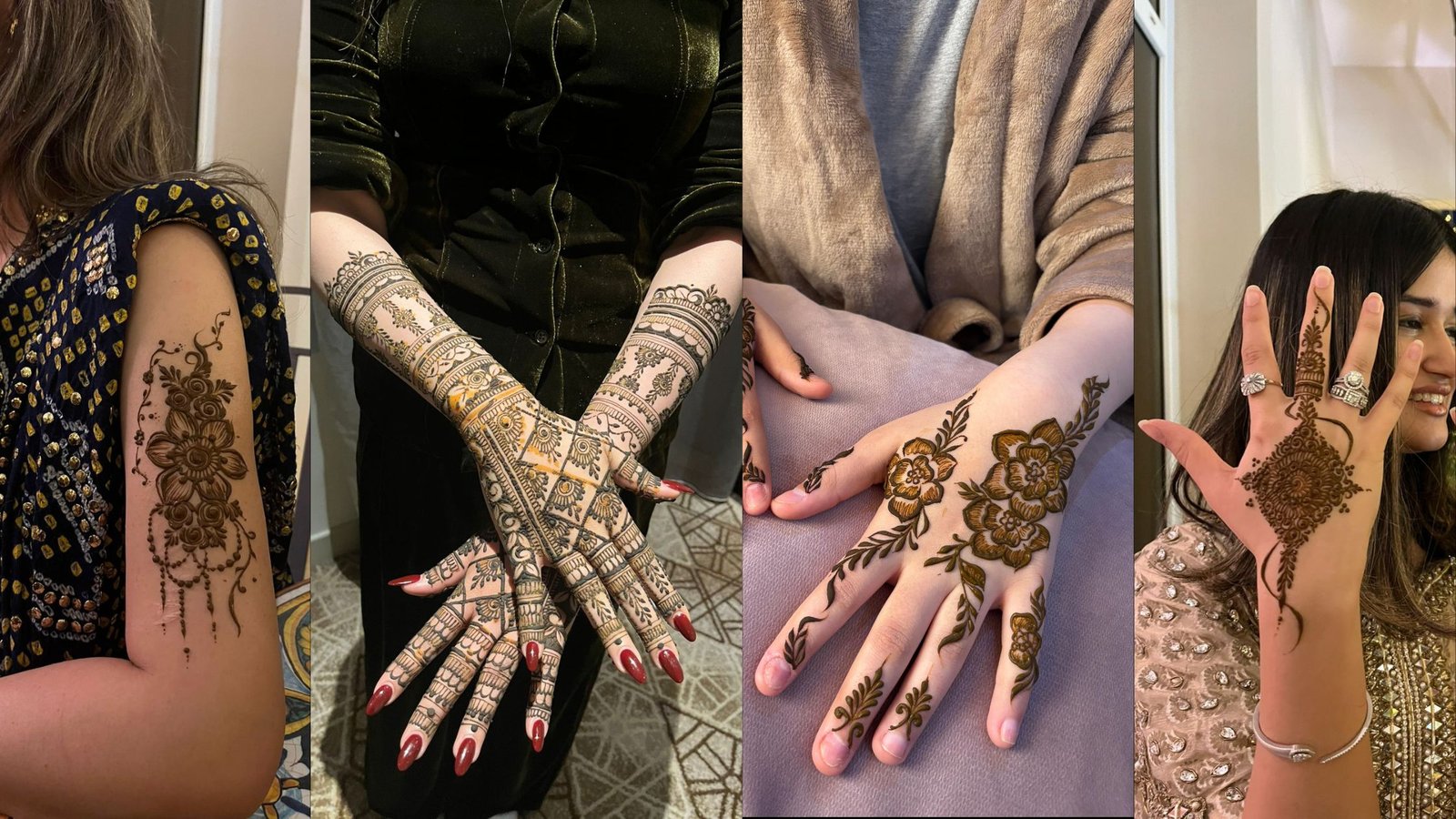
Over centuries, local henna artists refined Arabic motifs, flowing vines, paisleys, geometric patterns, while incorporating Mughal and contemporary influences. Brides often choose mandalas, florals, and intricate mesh designs that mirror the opulence of Dubai’s skyline and luxury venues.
Design elements carry personal meanings: mandalas represent unity, peacocks convey beauty, and paisleys evoke fertility. By selecting patterns that resonate culturally and emotionally, brides celebrate both heritage and individuality as they prepare for their wedding day.
Across villas, hotel ballrooms, and desert camps, the bridal mehndi ceremony remains a highlight. Each design marks the bride’s transition into married life, offering blessings for prosperity, harmony, and enduring love.
Origins of Mehndi Tradition
The art of henna dates back over 5,000 years to ancient Egypt and the Arabian Peninsula. Early civilizations used henna paste to dye hair, skin, and fabrics for ceremonial and cosmetic purposes. Silk trade routes carried henna’s popularity to South Asia, where bridal mehndi evolved into elaborate hand-painting rituals.
By the 18th century, Arabic and Indian artisans exchanged motifs and application methods. In Dubai, the fusion of Bedouin, Persian, and Indian aesthetics created a unique henna heritage. Today’s mehndi artists draw on this diverse legacy to craft bespoke designs that honor tradition.
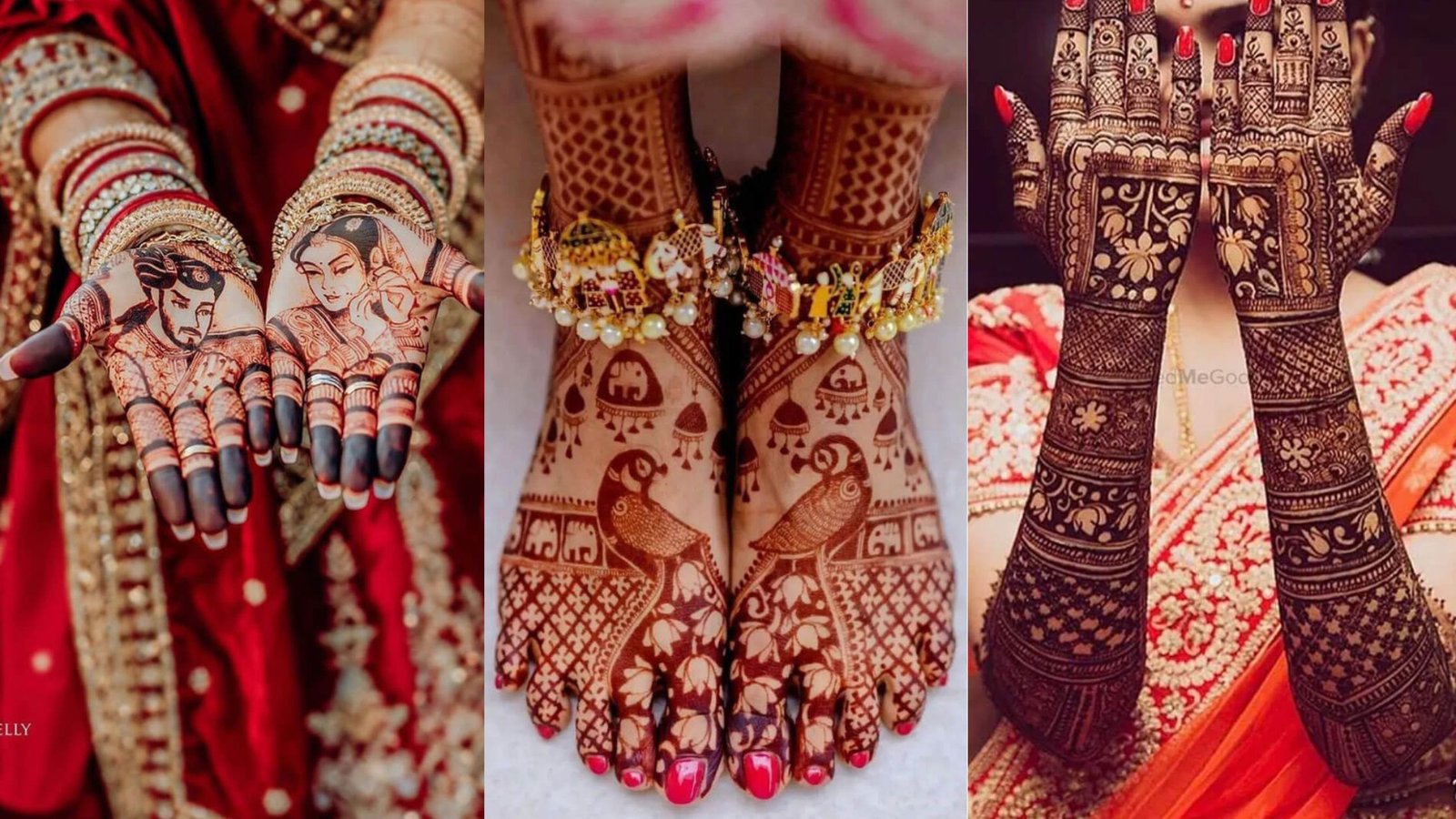
Regional henna practices also vary by festival. Eid ceremonies emphasize crescent motifs and starbursts, while weddings feature personalized elements like couple portraits or calligraphy. Understanding these origins helps brides select meaningful designs that reflect cultural richness.
Dubai’s cosmopolitan community welcomes visitors to experience bridal mehndi ceremonies that blend ritual, artistry, and modern comforts. Whether at home or in a salon, each henna application pays homage to centuries-old craft.
Symbolism of Patterns and Motifs
Every henna motif carries significance. Mandalas symbolize balance and unity, while floral motifs represent growth and new beginnings. Paisleys, teardrop or mango shapes denote fertility and luck. Pairing these symbols in a design weaves together wishes for a harmonious marriage.
Arabic script enhances personalization. Brides often request verses from the Quran, names of their loved ones, or wedding dates in elegant calligraphy. Jewel-inspired patterns mimic diamond and emerald cuts, adding a touch of glamour to the red-brown henna tone.
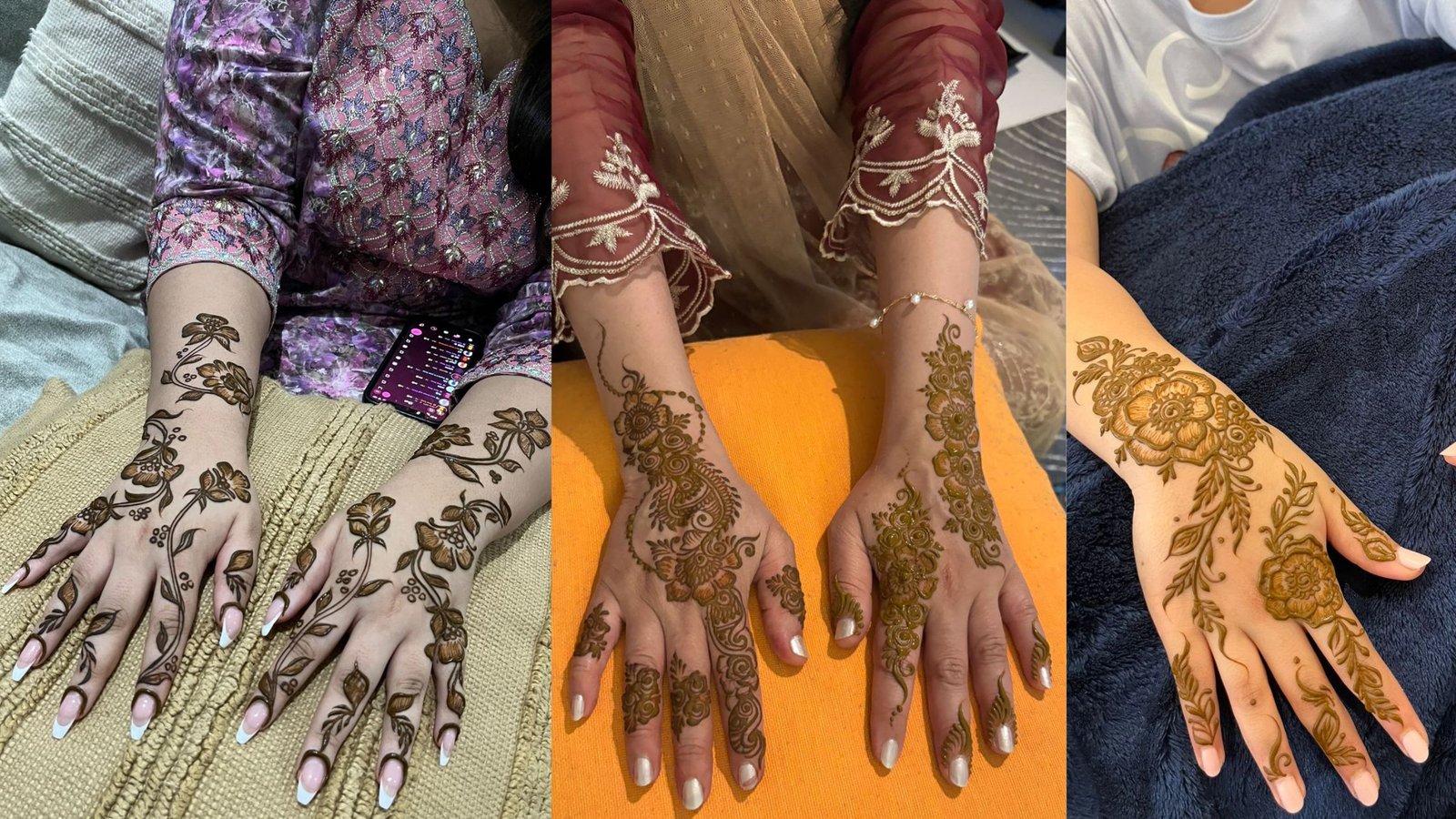
Contemporary trends include blending traditional arabesque with Western silhouettes, such as lace-inspired borders and negative-space techniques. These modern iterations reflect Dubai’s penchant for luxury and innovation.
Ultimately, the chosen motifs tell a story. Brides can collaborate with mehndi artists to incorporate cultural, personal, or thematic elements, ensuring each stroke and swirl resonates with emotion and style.
Benefits of Choosing Henna Home Service
Brides and families in Dubai increasingly opt for at-home mehndi services to combine tradition with comfort. Mobile henna artists bring professional-grade equipment, fresh henna paste, and customized stencils directly to villas or residences. This saves travel time and allows guests to relax in familiar surroundings.
At-home services also enable flexible scheduling. Whether coordinating pre-wedding festivities over multiple days or planning a last-minute bridal trial, booking a mobile artist offers unparalleled convenience. Artists adjust to the bride’s schedule, ensuring designs are applied when she feels most comfortable.
Moreover, home services foster intimacy. Surrounded by family and friends, the bride enjoys a personalized experience. Artists can tailor music, refreshments, and seating arrangements to suit the occasion, elevating the mehndi ceremony into a cherished memory.
By choosing a mobile option, brides maintain the high standards of salon artistry while enjoying stress-free preparation. This combination of professional quality and at-home ease makes henna home services an ideal choice for Dubai weddings.
Convenience and Comfort
Mobile mehndi artists arrive equipped with seating, lighting, and sanitation supplies. They set up temporary workstations in living rooms, poolside cabanas, or private gardens, transforming any space into a mini-studio. Brides simply need to clear a small area for the session.
This setup eliminates the need to navigate traffic or juggle multiple vendor locations. Family members can mingle freely, enjoying henna applications alongside refreshments and music. The leisurely pace also allows for candid photos and videos, preserving every moment of the bridal mehndi ritual.
With home service, the emphasis shifts back to tradition and celebration. Brides can focus on the artistry unfolding on their hands rather than logistical concerns. The result is a relaxed, joyous atmosphere befitting wedding preparations.
Personalized Design Consultation
Prior to the appointment, many mobile henna services offer virtual or in-person consultations. Brides share inspiration boards, wedding themes, and color palettes to guide artists. This pre-design process ensures the final look complements bridal attire and event décor.
Design mock-ups help fine-tune motif placement, density, and style. Artists recommend elements such as mandalas for palms, swirls for arms, and intricate latticework for feet. They also advise on henna paste composition organic, vegan blends free from PPD chemicals to suit sensitive skin.
By aligning expectations early, brides receive tailored patterns that align with cultural, aesthetic, and comfort preferences. This level of customization elevates the mehndi ceremony into a bespoke bridal ritual.
To streamline planning, many clients search for henna home service in dubai online and find comprehensive booking platforms that list artist portfolios, package details, and client reviews.
Hygiene and Quality Assurance
Reputable mobile mehndi artists prioritize hygiene. They arrive with disposable gloves, sanitized trays, and single-use cones filled with freshly prepared henna paste. These practices prevent cross-contamination and maintain professional standards.
Artists often source high-grade henna powder from India or Morocco, blending it with essential oils like eucalyptus or sandalwood to enhance color and longevity. Paste freshness directly impacts stain depth; most artists mix small batches onsite to ensure optimum results.
Post-application care instructions include sealing designs with a lemon-sugar solution and avoiding water contact for six to eight hours. Artists may provide aftercare kits containing organic oils and cotton swabs, ensuring brides achieve rich, dark stains.
By choosing experienced professionals, clients safeguard both safety and beauty. The combined emphasis on sanitation and artistry guarantees that wedding henna achieves stunning, lasting effects.
How to Book a Henna Home Service for Weddings?
Booking a mobile mehndi artist involves several key steps: researching providers, reviewing portfolios, understanding pricing, and coordinating schedules. Dubai’s competitive market features both boutique studios and independent freelancers, each with unique specialties and rates.
Clients should request detailed quotes outlining design complexity, number of guests, and duration. Packages often range from simple hand-only sessions to full-body bridal designs with floral, geometric, and calligraphy elements.
Early booking at least four weeks before the wedding secures top artists. Peak seasons around Ramadan, Eid, and popular wedding months can fill quickly. For destination brides planning remotely, virtual consultations and sample paste shipments facilitate seamless coordination.
A clear contract covering date, location, deposit, and cancellation terms protects both parties. Transparent communication ensures the bridal mehndi ceremony unfolds without last-minute surprises.
Selecting a Skilled Mehndi Artist
Not all henna artists offer bridal expertise. Brides should look for portfolios featuring full-hand bridal designs, Arabic motifs, Indian intricate patterns, and Khaleeji styles. Social media platforms and bridal forums provide insight into artists’ consistency and creativity.
Client testimonials highlight punctuality, professionalism, and design satisfaction. Some artists specialize in experimental trends, white henna, metallic foils, or Swarovski crystal accents, while others focus on traditional motifs.
For large bridal parties, team-based artists deliver consistent quality across multiple hands. Confirm the artist-to-guest ratio and whether assistants will handle simpler designs, freeing the head artist to focus on bridal details.
A skilled bridal artist combines precision, speed, and cultural sensitivity. They adapt designs to suit skin tone, wedding theme, and personal preferences, ensuring each bridal mehndi ceremony reflects the bride’s individuality.
Understanding Pricing and Packages
Henna home service packages in Dubai typically start around AED 300 for simple hand designs. Complex bridal packages range from AED 1,200 to AED 3,000, depending on design intricacy, number of artists, and logistics.
Packages may include:
- Bridal full-hand and full-foot designs
- Bridesmaids’ palm-only patterns
- Family member sessions
- Pre-consultation and mock-ups
- Aftercare kits
Additional fees for travel, peak-date surcharges, and midnight appointments may apply. Transparent breakdowns help brides budget accurately and avoid hidden costs.
For group events, volume discounts often exist. Brides hosting multiple guests at home should request group pricing to maximize value. A written quotation confirms all details and deposit requirements.
Preparing for Your At-Home Appointment
On the day of the bridal mehndi session, brides should:
- Cleanse hands and feet, avoiding oils or lotions.
- Wear loose, comfortable clothing with easy access to application areas.
- Clear a seating area with good lighting and table space.
- Have refreshments and entertainment ready for guests.
Ensuring minimal distractions allows the artist to work efficiently. Adequate seating helps guests relax during their complimentary designs. A small side table for tea or dates adds to the authentic mehndi ambiance.
After the session, maintain henna moisture with recommended sealants and oils. Avoid water contact until the paste naturally flakes off, typically within six to twelve hours. Proper aftercare deepens stain and prolongs design life.
To explore extended celebrations beyond weddings, couples and event planners often consider Henna for Corporate Events, blending artistry with branding at galas and product launches.
Comparing At-Home and Salon Henna Services
Dubai offers both in-salon and at-home mehndi experiences. The choice depends on convenience, ambiance preferences, and group size. Below is a comparison to guide brides and event hosts.
| Feature | Salon Service | Home Service |
| Ambiance | Professional studio atmosphere | Personalized comfort and décor flexibility |
| Group Capacity | Limited seating, scheduled slots | Flexible seating, simultaneous group bookings |
| Travel | Client travels to salon | Artist travels to venue |
| Setup and Cleanup | Handled by salon staff | Artist manages setup and disposal |
| Customization | Standard packages, limited personalization | Tailored mock-ups, decor integration |
| Pricing | Fixed rates, sometimes premium location fees | Variable: travel fees + group discounts |
Brides often blend both options, salon trials for design tests and home services for the main event, ensuring the best of both worlds.
Popular Bridal Henna Design Elements
Bridal mehndi designs blend cultural tradition with contemporary flair. Below is a breakdown of common motifs and their meanings.
| Design Element | Description | Symbolism |
| Mandala | Circular floral patterns | Unity, completeness |
| Paisley | Teardrop or mango-shaped curves | Fertility, abundance |
| Vines & Leaves | Flowing botanical lines | Growth, vitality |
| Peacock | Stylized bird motif | Beauty, grace |
| Mesh/Lattice | Interwoven net-like patterns | Protection, complexity |
| Couple Portraits | Small illustrations of bride and groom | Personalization, love |
| Calligraphy | Arabic script of names or blessings | Devotion, tradition |
Designers often combine multiple elements to create depth and narrative, ensuring each bridal design remains unique and meaningful.
Trends and Innovations in Dubai’s Bridal Mehndi
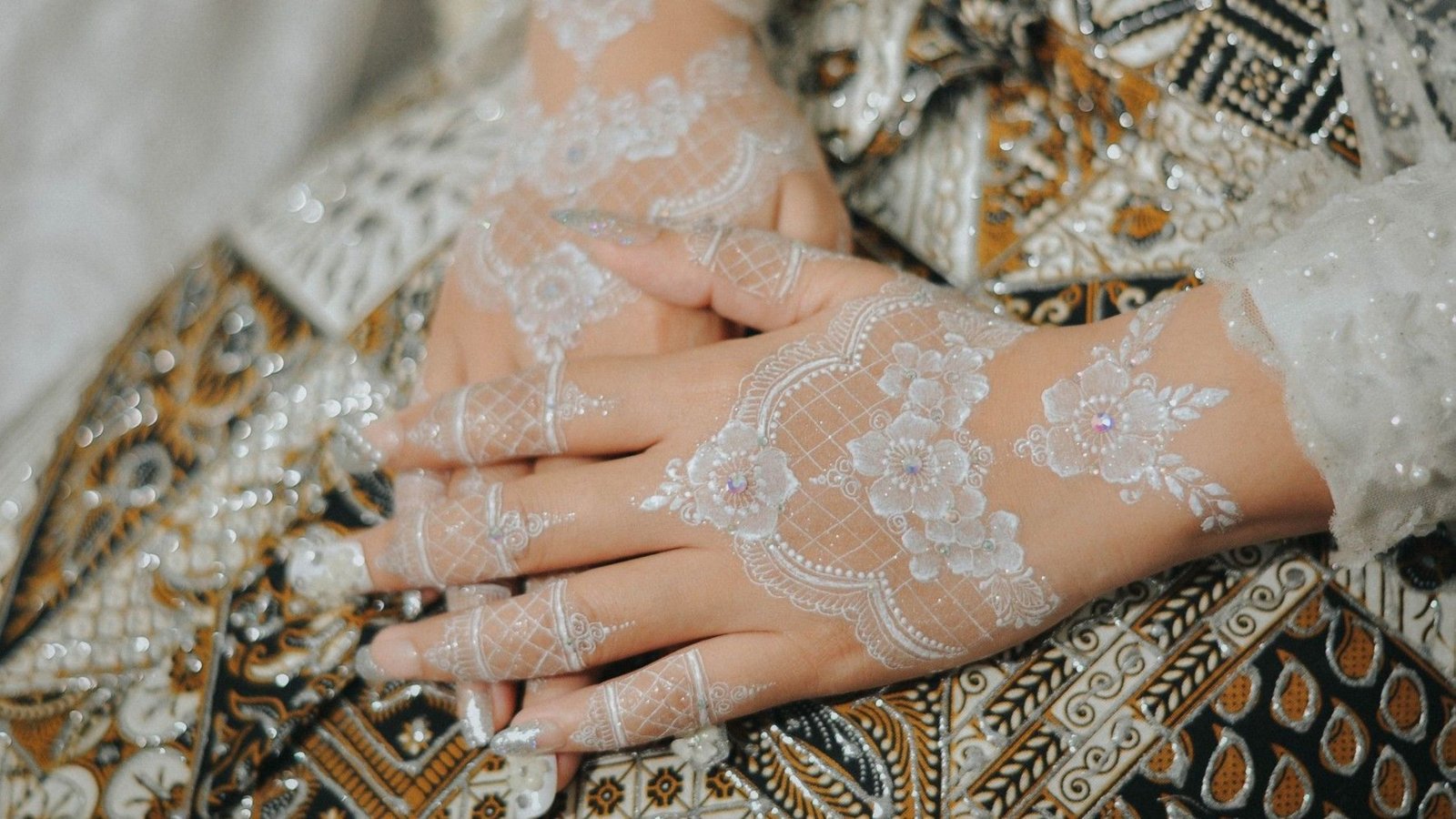
Dubai brides embrace evolving henna trends that reflect the city’s cosmopolitan spirit. Luxury henna art incorporates 24-karat gold paste, metallic foils, and Swarovski crystals for an ultra-opulent finish. White henna designs, crafted from a safe, cosmetic-grade paste, contrast beautifully against bridal couture.
Eco-conscious brides seek organic, vegan henna free from paraphenylenediamine (PPD). These formulations offer rich color without irritation. Artists also introduce temporary mehndi stickers for last-minute looks or accented highlights.
Social media influences chunky geometric lines, negative-space artistry, and fusion styles merging Arabic and Indian motifs. Augmented reality previews allow brides to “see” designs on their hands before application, streamlining the consultation process.
By staying informed on trends, brides ensure their mehndi aligns with both personal taste and Dubai’s luxury standards.
To discover services beyond weddings, explore Year-Round Henna Home Services in Dubai, offering designs for festivals, birthdays, and corporate celebrations.
Conclusion
Dubai brides seeking a flawless bridal mehndi ceremony find unmatched convenience, quality, and personalization through at-home services. From cultural insights and design symbolism to practical booking and aftercare tips, this guide offers everything needed for a memorable wedding henna experience.
Whether celebrating intimate gatherings or grand affairs, brides can trust expert mobile artists to deliver stunning, lasting designs that reflect Dubai’s luxurious spirit. Embrace tradition, elevate comfort, and make your wedding mehndi a radiant prelude to lifelong joy. At the heart of these exceptional services stands Shifaz Henna, providing unparalleled expertise and personalized attention for every bridal mehndi ceremony. Book with us today and experience the art of henna in the comfort of your own home.
Frequently Asked Questions (FAQs)
1. What is the ideal time to apply bridal mehndi?
Bridal mehndi is typically applied one to three days before the wedding. This timing allows the paste to achieve its deepest stain and for any light flakes to fall naturally. Applying too early risks fading before the ceremony, while too late may not allow sufficient drying time.
2. How long does bridal henna last?
A high-quality bridal mehndi design can last between two to three weeks. Intensity depends on factors like paste quality, skin type, and aftercare. Keeping hands warm, avoiding water for the first 6–8 hours, and applying natural oils prolongs the stain’s vibrancy.
3. Can sensitive skin brides use home henna services?
Yes, professional mobile artists often use organic, hypoallergenic henna pastes blended with essential oils like eucalyptus and tea tree. Brides with sensitive skin should request a patch test 24 hours before the appointment to confirm compatibility and prevent adverse reactions.
4. How many guests can be accommodated during a home mehndi session?
Most mobile henna artists can handle 2–4 clients simultaneously. For larger wedding parties, book a team of artists to ensure timely service. Confirm artist-to-guest ratios and time estimates during the consultation to avoid scheduling delays.
5. Are custom design tweaks possible on the wedding day?
Yes, minor adjustments and last-minute customizations are common. Experienced mehndi artists carry sketchpads and design templates. Brief the artist on desired changes at the start of the session so they can incorporate new elements seamlessly into the overall design.